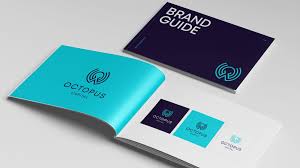
Choosing an ad style guide means picking rules for how your ads look and sound. It helps make your brand consistent. It ensures all your ads feel like they come from the same place. This makes your brand easier to remember and trust. It guides designers and writers. This saves time and avoids confusion.
What is an Ad Style Guide?
An ad style guide is a set of rules. It tells people how to make ads for your company. Think of it like a recipe book for your advertising.
It covers many things. It talks about colors. It talks about fonts.
It talks about the words you should use. It also talks about the pictures or videos you show.
Why do we need this? So all your ads look and sound the same. It builds a strong brand.
People see your ads and know they are from you. This is super important for trust. If your ads are all over the place, people get confused.
They might not remember your brand. A style guide stops this confusion.
It covers visual parts. This means logos. It means colors.
It means pictures. It also covers writing parts. This means the tone of voice.
It means specific words to use. It means words to avoid. It makes sure everything fits your brand’s personality.
It’s a tool for everyone who makes ads.
Why Building an Ad Style Guide Matters
Making a good ad style guide is a big deal for your brand. It’s not just a nice-to-have. It’s a must-have for success.
It helps your brand in many ways. It makes your brand look professional. It makes your brand look serious.
When your ads are consistent, people start to recognize them. They see your colors. They see your logo.
They hear your message. This builds familiarity. Familiarity leads to trust.
When people trust you, they are more likely to buy from you. They are more likely to become loyal customers.
It also helps your team. If you have people making ads, they need rules. Without rules, they might do different things.
One person uses bright blue. Another uses dark blue. This looks bad.
The style guide gives them clear instructions. This saves time and stops mistakes. Everyone is on the same page.
It helps you stand out. The world has so many ads. Yours need to be special.
A good style guide helps make your ads unique. They won’t look like everyone else’s ads. This makes people pay attention.
They will notice your brand more.
A style guide is like a roadmap. It guides all your advertising efforts. It makes sure everything works together.
It makes your marketing stronger. It is an investment in your brand’s future. It pays off in many ways.
The Core Components of an Ad Style Guide
A good ad style guide has several key parts. These parts work together. They create a clear picture of your brand.
Let’s break them down. This will make it easier to build your own.
Brand Identity Basics
This is the heart of your guide. It talks about who your brand is. What’s your mission?
What are your values? What’s your personality? Are you fun?
Are you serious? Are you modern? Are you classic?
This section explains your logo. Show the main logo. Show any secondary logos.
Explain when to use each one. Explain the clear space around the logo. This is the space where nothing else should be.
It keeps the logo looking clean.
It also covers brand colors. List your primary colors. List your secondary colors.
Give the exact codes for these colors. This could be CMYK for print. It could be RGB for screens.
It could be HEX codes too. Explain what feelings these colors create. Tell people which colors to use for what.
Typography is also here. Choose your main fonts. Choose your secondary fonts.
Explain where to use each font. Is one for headlines? Is one for body text?
Give examples of good text use. Show how to space letters. Show how to space lines.
Visual Language and Imagery
This part is about pictures and graphics. What kind of images should you use? Should they be photos?
Should they be illustrations? Should they be abstract graphics?
Describe the mood of your images. Are they bright and happy? Are they dark and serious?
Are they natural and real? Are they staged and perfect?
Give examples of good and bad images. Show photos that fit your brand. Show photos that don’t fit.
This makes it very clear. It helps people avoid mistakes. It guides them to the right look.
Talk about graphic elements. This could be patterns. It could be icons.
It could be shapes. Explain how and when to use these. Do they always appear with the logo?
Do they add background texture?
Mention video and animation if you use them. What’s the style? Fast cuts?
Slow motion? What kind of music do you use? What’s the voiceover tone?
Tone of Voice and Messaging
This section is about words. How should your brand sound? Is it friendly?
Is it formal? Is it playful? Is it expert?
Define your brand’s personality in words. Use adjectives to describe it. For example, “We are helpful, honest, and a little bit witty.”
List words to use often. List words to avoid. For example, you might want to use “easy” and avoid “complex.” You might want to use “help” and avoid “assist.”
Give examples of good headlines. Give examples of good calls to action. A call to action tells people what to do.
For example, “Shop Now” or “Learn More.”
Explain how to structure your messages. Should they be short and punchy? Should they be longer and more detailed?
This part helps ensure your words match your visuals. It makes your whole message strong.
Application Examples
This is where you show the guide in action. Put all the rules together. Show what an ad looks like when it follows the guide.
Include examples for different ad types. Show a social media ad. Show a print ad.
Show a banner ad. Show a TV commercial concept.
These examples are very important. They show people exactly how to apply the rules. They make the guide practical.
They help avoid confusion. People can see the rules used in real situations. This makes the guide much easier to understand and use.
Quick Check: Essential Ad Elements
Logo Usage: Always use the approved logo files. Maintain clear space. Never stretch or distort.
Color Palette: Stick to primary and secondary brand colors. Use them in the correct ratios.
Typography: Use only designated brand fonts for headlines and body text. Keep text clean and readable.
Imagery: Select photos and graphics that match our brand’s mood and style. Ensure high quality.
Tone of Voice: Write in a friendly, clear, and helpful manner. Avoid jargon.
When Is Your Brand Ready for an Ad Style Guide?
You might be wondering if now is the right time. When should you really create this guide? The answer is, often, sooner than you think.
But let’s look at some signs.
If you have any ads running, you need a guide. Even if it’s just a few social media posts. If you have people creating content, they need direction.
If you plan to run ads soon, start now. It’s better to start right.
If you feel your ads look a bit different each time, that’s a sign. If you get feedback that your brand is hard to recognize, that’s a sign. If your team spends a lot of time guessing how to make an ad, that’s a sign.
Are you launching a new product? Are you entering a new market? These are great times to formalize your ad style.
It sets a strong foundation. It makes sure your new efforts start off right.
Even a small business can benefit. You don’t need a huge marketing team. A solo entrepreneur can use a style guide.
It helps them stay focused. It helps them produce consistent work. It makes them look more professional to clients.
Think of it as an investment. It helps you save time and money later. It makes your marketing work harder.
It builds a stronger brand for the long run. So, if you’re asking yourself this question, it’s probably time. Or it will be very soon.
Steps to Create Your Ad Style Guide
Okay, you’re convinced. You want to make one. How do you actually do it?
It’s not as hard as it sounds. It takes some thought. It takes some planning.
But you can do it. Here’s a simple way to approach it.
1. Define Your Brand’s Core
Before you touch any design rules, know your brand. What is its purpose? Who are you trying to reach?
What makes you different from others? What feeling do you want people to have when they see your ads?
Write down your mission statement. Write down your brand values. Think about your brand personality.
Use simple words to describe it. This forms the foundation. Everything else will build on this.
2. Gather Your Existing Brand Assets
Look at what you already have. Do you have a logo? What colors do you use?
What fonts are already on your website? Collect all these. Make sure you have high-quality versions.
If you don’t have these things, now is the time to create them. Maybe you need a logo. Maybe you need to pick your brand colors.
This is part of building your brand’s visual identity. It’s best to get these right first.
3. Decide on Visual Elements
Now, get specific about visuals. Choose your main colors. Choose your accent colors.
Pick your brand fonts. Decide on the style of photography you want. Do you want bright and airy photos?
Or moody and dramatic ones?
Think about any graphic elements. Do you use a specific pattern? Do you have a set of icons?
Write down rules for these. Show examples of what works and what doesn’t. Be very clear.
4. Develop Your Tone of Voice
How should your brand sound? Write down a description. Use adjectives like “friendly,” “professional,” “playful,” or “authoritative.”
List words that are good to use. List words to avoid. Give examples of how to write headlines.
Give examples of how to write a call to action. This guides your copywriters.
5. Create Application Examples
This is crucial. Show the rules in practice. Design a few sample ads.
Make sure they follow all the rules you’ve set. Include different types of ads. Show a social media post.
Show a website banner ad.
These examples make the guide real. They show people how to combine all the elements. They are like a cheat sheet for your team.
6. Write and Organize
Put all this information into a document. Use clear headings. Use short paragraphs.
Use simple language. Make it easy to read. Organize it logically.
You can use a PDF document. You can use a dedicated online platform. The key is that it’s easy to find and use.
7. Share and Train
Once it’s ready, share it with everyone who makes ads. This includes your marketing team, designers, copywriters, and even external agencies.
Hold a training session. Walk them through the guide. Answer any questions.
Make sure everyone understands the importance of following it.
Style Guide Checklist
- Brand Mission & Values: Clearly stated?
- Logo Usage: Clear rules and variations provided?
- Color Palette: Defined with codes (HEX, RGB, CMYK)?
- Typography: Fonts selected for headlines/body with usage rules?
- Imagery Style: Defined with examples (photos, graphics)?
- Tone of Voice: Described with examples and word lists?
- Application Examples: Showing ads in practice?
- Accessibility: Considerations for different needs included? (Optional but good)
Ad Style Guide: Common Pitfalls to Avoid
Creating a style guide is great. But sometimes, things go wrong. People make common mistakes.
These can make the guide useless. Or worse, confusing. Let’s look at some of these traps.
1. Making it Too Complicated
Some guides are super long. They use fancy words. They have too many rules.
People get overwhelmed. They stop using the guide. They just guess what to do.
Keep it simple. Use plain language. Focus on the most important rules.
Make it easy to scan. Think about someone who is busy. They need answers fast.
2. Not Enough Examples
Rules are good. But seeing them in action is better. If your guide has no pictures, it’s hard to follow.
People don’t know what “professional photos” actually means for your brand.
Show lots of examples. Show good and bad examples. Show how to use colors.
Show how to place the logo. Show how to write a headline.
3. Not Updating It
Brands change. Your ads might need to change too. If your style guide is old, it’s not helpful.
It might even be wrong.
Review your guide at least once a year. Or when you make big changes to your brand. Update it as needed.
Let people know when you make changes.
4. Not Making it Accessible
Where is your guide stored? Is it easy for everyone to find? Is it in a format they can open?
If it’s buried on a server or only known by one person, it won’t be used.
Put it in a central, easy-to-find location. Use a cloud storage service. Make sure everyone on the team knows where it is.
5. Forgetting the “Why”
People need to know why they are following these rules. If they don’t understand the purpose, they might not care. They might see it as just more work.
Explain the benefits. Tell them how it helps the brand. Tell them how it makes their job easier.
Connect it to the bigger picture of brand success.
Myth vs. Reality: Ad Style Guides
Myth: Style guides are only for big companies.
Reality: Small businesses benefit greatly from consistent branding, even with a simple guide.
Myth: Style guides stifle creativity.
Reality: A good guide provides a framework, allowing creativity to flourish within clear brand boundaries.
Myth: A style guide is a one-time creation.
Reality: Brands evolve. Style guides need regular review and updates to stay relevant.
Myth: Creating a style guide is too expensive.
Reality: The cost of fixing inconsistent branding often outweighs the investment in a guide.
Real-World Context: When Styles Clash
I remember working on a campaign once. The client had this idea of being “playful.” But their ads looked so serious. The photos were dark.
The text was formal. It just didn’t match. People looking at the ads were confused.
They didn’t get the playful vibe at all.
What was happening? They had no real guide. Or if they did, it wasn’t clear.
The designer made serious ads. The copywriter wrote serious words. But the overall goal was playful.
This disconnect happens a lot. It happens when rules aren’t written down. It happens when people guess.
It happens when different teams don’t talk.
In homes, you see this too. Think about holiday decorations. Some people go all out with bright, fun colors.
Others prefer a more elegant, muted look. If a brand tries to do both in its ads, it’s a mess. It’s like a house with two different styles in every room.
Another time, a company used a very technical tone. They wanted to sound smart. But they were selling a simple product to everyday people.
The ads felt cold. They felt like they were talking down to people. The style guide should have told them to use simpler words.
It should have said to focus on benefits, not just features.
The environment matters too. Ads for a winter coat in Florida should feel different than ads for one in Alaska. The style guide might not dictate weather, but it should guide the feeling.
Is it about tough survival or cozy comfort? This gets decided in the guide.
User behavior is also a factor. If your target audience is young and trendy, your ad style will be different. If they are older and prefer classic looks, your style changes.
The guide needs to reflect who you are talking to. It needs to reflect how they want to be spoken to.
Without a guide, it’s a guessing game. It’s like trying to build a house without blueprints. It might stand up, but it won’t look good.
It won’t be what you intended. A style guide brings order. It brings clarity.
It ensures your message lands the way you want it to.
What This Means for Your Ads
Having a clear ad style guide changes everything. It means your ads will start to feel familiar. People will see them and think, “Oh, that’s !” This recognition is gold.
It means your marketing budget works harder. You’re not wasting money on ads that don’t fit. You’re not paying designers to guess.
They have clear instructions. This saves time and resources. Your ads will be more effective.
They will get more attention. They will drive more results.
It means your brand message is stronger. When your visuals, words, and overall feeling are consistent, your message is clear. People understand what you offer.
They understand your value. This builds trust and loyalty. Customers will know what to expect from you.
It means your team works better together. Designers know what colors to use. Writers know what tone to adopt.
Photographers know what kind of images to capture. Everyone is working towards the same goal. This creates a more efficient and enjoyable work environment.
When is this a good thing? It’s good when you want your brand to be remembered. It’s good when you want to build a strong connection with your audience.
It’s good when you want your marketing to be impactful and successful. It’s a sign of a mature, well-run business.
When should you worry? You should worry if you don’t have one. And you have ads running.
You should worry if your ads look wildly different. Or if your team struggles to create new ads. These are signs you need structure.
You need clarity. You need an ad style guide.
A simple check you can do is to pull up your last five ads. Do they look like they belong to the same brand? Do they sound like they were written by the same person?
If the answer is no, it’s time to act. It’s time to build your guide.
Quick Tips for a Brighter Ad Style
Let’s focus on making your ads shine. Here are some simple tips. These can help make your ads more effective.
They can help your brand stand out. Even before you have a full guide, these are good to know.
Use High-Quality Images: Always use clear, sharp photos or graphics. Blurry or pixelated images make your brand look cheap. Invest in good photography or use reliable stock photo sites.
Make sure the images fit your brand’s mood.
Keep Text Readable: Don’t cram too much text into your ads. Use a font size that’s easy to read, even on small screens. Break up long sentences.
Use bullet points when you can.
Be Consistent with Color: Pick 2-3 main brand colors and stick to them. Don’t use too many colors in one ad. Too much color can be distracting.
Use your brand colors to create a recognizable look.
Know Your Audience: Think about who you are talking to. What do they like? What do they respond to?
Tailor your ad style to them. A playful ad for kids is different from a serious ad for business owners.
Have a Clear Call to Action: What do you want people to do after seeing your ad? Visit your website? Buy a product?
Sign up for a newsletter? Make this clear. Use a button or a strong sentence like “Shop Now” or “Learn More.”
Use Your Logo Wisely: Make sure your logo is visible but not overwhelming. It should be easy to find. But it shouldn’t take over the whole ad.
Keep it in a consistent spot if possible.
Test and Learn: Try different ad styles. See what works best. Use A/B testing for your ads.
Test different images, headlines, and calls to action. Learn from the results and improve your future ads.
Ad Style Quick Wins
Bold Headlines: Make your main message stand out.
White Space: Give your ad room to breathe. Don’t fill every inch.
Simple Message: Focus on one main point per ad.
Brand Colors: Use them consistently to build recognition.
Clear CTA: Tell people exactly what to do next.
Frequently Asked Questions About Ad Style Guides
What is the main goal of an ad style guide?
The main goal is to ensure consistency across all advertising efforts. This builds brand recognition, trust, and a cohesive brand identity.
Do I need a professional designer to create my ad style guide?
While a professional designer can create a polished guide, you can start with a simpler version yourself. Focus on clear rules and examples. You can always refine it later.
How often should I update my ad style guide?
It’s good practice to review your guide annually. You should also update it whenever your brand identity or marketing strategy undergoes significant changes.
Can a style guide include rules for social media posts?
Absolutely. A comprehensive ad style guide can and should cover all forms of advertising, including social media posts, website banners, print ads, and video content.
What if my team has creative ideas that don’t fit the guide?
The guide provides a framework. If a team member has a truly innovative idea that stretches the boundaries, it’s worth discussing. However, the core principles of the guide should generally be followed for consistency.
How detailed should the tone of voice section be?
It should be detailed enough to give clear direction. Include adjectives describing the brand personality, words to use and avoid, and examples of good phrasing for headlines and calls to action.
Conclusion: Building a Memorable Brand
Creating an ad style guide is a powerful step. It’s an investment in your brand’s future. It ensures your message is clear.
It makes your ads memorable. It builds trust with your audience. Don’t let your brand get lost in the noise.
Start building your guide today.