It can feel like a maze sometimes, right? You have a great idea, a fantastic solution, but getting it in front of the people who desperately need it feels impossible. You spend time and energy crafting your message, only to wonder if anyone is even seeing it.
This feeling of your great solution getting lost in the noise is so common. But what if there was a way to cut through that noise? What if you could speak directly to the people who have a problem and show them you have the answer they’ve been looking for?
That’s what we’re going to explore today.
Getting your solution seen by the right people is key. Effective ad formats help problem solvers connect with those who need their help. We will look at how to show your solution clearly and reach your audience.
The Heart of the Matter: Why Problem Solvers Need Special Ads
Think about it: people don’t usually search for products or services they don’t need. They search for answers. They have a pain point.
Maybe their back hurts. Maybe their car won’t start. Maybe they’re trying to learn a new skill.
These are all problems. When someone has a problem, they want a solution. They are actively looking for help.
This is where advertising needs to be different. Instead of just saying “Buy my stuff!”, you need to say “I can fix your problem.” Your ad needs to show empathy. It needs to understand the struggle.
Then, it needs to present your solution as the clear, helpful answer. It’s about connecting with a need.
This type of advertising is all about helpfulness. It’s about being a guide. It’s about being the friend who knows exactly what to do.
When you focus on the problem, you naturally attract the people who have that problem. They see themselves in your message. They feel understood.
This is why understanding the ad format is so important. It’s not just about where you show your ad. It’s about what the ad actually says and how it looks.
A good ad for a problem solver feels like a helpful hand, not a pushy salesperson.
My Own Stumble: The Ad That Fell Flat
I remember when I first started trying to promote a service that helped people organize their digital files. I had this amazing system. It was neat.
It saved hours. I made an ad that showed a super clean, organized desktop. It had all these technical terms about file indexing and cloud sync.
It looked very professional.
And it totally bombed. Nobody clicked. Nobody cared.
I was so confused. My friends who saw it said it looked nice but didn’t really get what it was for. I was so focused on showing how good my system was, I forgot to show how it helped.
I forgot the person struggling with messy folders.
One evening, feeling totally defeated, I was talking to a friend. She said, “When my computer is a mess, I feel like I’m drowning. I can never find anything.
I waste so much time. I just want it to be simple.” That was it. She wasn’t talking about file indexing.
She was talking about the feeling of being overwhelmed. She wanted relief.
That’s when I realized my ad was talking to me, not to her. It was too technical. It didn’t show the pain.
It didn’t offer the comfort. It was like trying to explain a complex recipe to someone who is just hungry and wants a sandwich. I learned a huge lesson that day about speaking the language of the problem.
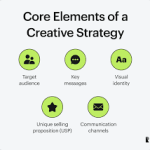
Key Elements of a Problem-Solver Ad
Empathy First: Show you understand the struggle.
Clear Solution: Your product/service is the answer.
Benefit Focused: What good comes from using it?
Simple Language: Avoid jargon.
Call to Action: Tell them what to do next.
Formats That Speak to Needs
So, how do you translate that feeling of understanding and help into an ad? Different formats work better for different problems. Let’s break down some of the most effective ones for problem solvers.
1. The “Pain Point & Relief” Visual Ad
This is a classic for a reason. It’s simple and effective. You show the problem visually, then the solution visually.
How it works:
- Image/Video: Show someone clearly frustrated or struggling with a common issue. Think a tangled mess of cords, a wilting plant, a stressed person staring at a computer.
- Headline: Directly address the problem. “Tired of tangled cords?” or “Is your plant looking sad?”
- Body Text: Briefly explain how your product or service solves that specific frustration. “Our cord organizer makes your desk neat.” or “This plant food gives your greenery new life.”
- Benefit: Show the relief. The person smiling, the neat desk, the vibrant plant.
Why it’s good for problem solvers: It’s instantly relatable. People see the problem, see the relief, and think, “That’s me! And that’s what I want.” It cuts straight to the core of their need.
Real-world example: An ad for a stain remover showing a dirty shirt, then a clean shirt with a happy person. The headline might be: “Spilled coffee? No problem.”
Visual Ad Contrast: Problem vs. Solution
Myth: Show a perfect, unattainable outcome.
Reality: Show the transition from struggle to ease.
Normal: A generic product shot.
Concerning: An ad that doesn’t show the actual problem being solved.
2. The “How-To” or “Tip” Ad
Many people looking for solutions are also looking for knowledge. They want to learn how to do something better, easier, or faster.
How it works:
- Headline: Pose a question or offer a tip. “How to tie a knot that won’t slip?” or “Quick tip for faster grocery shopping.”
- Short Video/Carousel: Show a few simple steps. Use clear visuals and minimal text overlays.
- Call to Action: “Learn more tips on our blog,” or “Get the full guide here.”
Why it’s good for problem solvers: It positions you as an expert and a helpful resource. People trust sources that teach them. It shows you care about empowering them, not just selling to them.
Real-world example: A home improvement store running a short video ad showing how to properly seal a window draft. The headline might be: “Stop Drafts in Minutes!”
3. The “Before & After” Transformation Ad
This is powerful when the problem leads to a visible, often undesirable, state. It clearly shows the value of your solution.
How it works:
- Split Image or Video: One side shows the “before” – the mess, the disrepair, the struggle. The other side shows the “after” – the order, the repair, the ease.
- Headline: Focus on the transformation. “From Clutter to Calm,” or “Revive Your Old Furniture.”
- Brief Description: Mention the product or service that made the change possible.
Why it’s good for problem solvers: It provides undeniable proof of effectiveness. People can see the tangible results. It answers the question, “Will this actually work for me?” with a resounding “Yes!”
Real-world example: A cleaning service showing a grimy kitchen before and a sparkling clean one after. Headline: “Bring Your Kitchen Back to Life!”
Quick Scan: Before & After Ad Essentials
Before: Realistic, shows the problem.
After: Bright, shows the solution’s impact.
Headline: Highlights the transformation.
Clarity: Easy to understand the change.
4. The “Question & Answer” Ad
This format directly addresses the search queries people are typing into Google. It’s like you’re answering their exact question.
How it works:
- Headline: Use a common question related to the problem. “What’s the best way to clean hardwood floors?” or “Why is my dog barking so much?”
- Short Answer: Provide a concise, helpful answer.
- Elaboration/CTA: Then, introduce your product or service as a way to implement that solution easily or effectively. “Our floor cleaner makes it simple. Learn more.” or “Our training guide can help you understand your dog’s needs.”
Why it’s good for problem solvers: It feels incredibly relevant. They are asking, you are answering. This builds trust and shows you know their concerns.
Real-world example: A software company selling accounting tools. Headline: “Confused by small business taxes?” Answer: “It doesn’t have to be hard. Our software simplifies it.”
5. The Testimonial or Story Ad
Real people sharing their real experiences are incredibly powerful. They offer social proof and a relatable journey.
How it works:
- Short Video/Quote Graphic: Feature a customer talking about their problem and how your solution helped them.
- Focus on Emotion and Outcome: “I was so stressed about X, but after using Y, I finally feel Z.”
- Credibility: Include their name and maybe a photo.
Why it’s good for problem solvers: It removes doubt. If someone like them had the same problem and found relief, they can too. It’s authentic and builds deep trust.
Real-world example: A fitness program ad featuring a user saying, “I struggled to lose weight for years. This program made it feel possible. I finally have energy again!”
Storytelling Ad Breakdown
The Problem: What was life like before?
The Struggle: What were they trying?
The Discovery: How did they find you?
The Solution: What happened when they used it?
The Outcome: How is life better now?
6. The “Problem-Solution Comparison” Ad
Sometimes, the best way to show your solution is by comparing it to common, less effective methods or the direct consequences of not solving the problem.
How it works:
- Headline: “Stop Wasting Money on X. Try Y Instead.” or “Don’t Let Ruin Your .”
- Comparison Points: List key differences. Cost, effectiveness, time saved, etc.
- Visuals: Can show the ineffective method and then your solution.
Why it’s good for problem solvers: It helps them understand the value proposition. They can see why your method is superior and worth adopting. It justifies the choice.
Real-world example: An ad for a durable, reusable water bottle comparing it to buying single-use plastic bottles. Headline: “Save Money & The Planet. Ditch Disposable Bottles.”
Crafting Your Message: What to Say
Beyond the format, the words you choose are crucial. For problem solvers, sincerity and clarity win every time.
Speak Their Language: Acknowledge the Pain
Start by showing you get it. Use words that reflect their frustration.
- “Are you tired of.?”
- “Do you struggle with.?”
- “It’s frustrating when.”
- “Feeling overwhelmed by.?”
This makes them pause and pay attention. It’s like a friend saying, “I know exactly how you feel.”
Introduce the Solution as the Hero
Once you’ve acknowledged the problem, present your offering as the clear, simple path forward. Avoid hype. Be direct.
- “Our helps you.”
- “This is the easy way to.”
- “Finally, a solution for.”
- “With , you can.”
Focus on Benefits, Not Just Features
Features are what your product is. Benefits are what your product does for the user. Problem solvers care about the positive change.
Instead of: “Our vacuum has a HEPA filter.”
Say: “Breathe easier with our vacuum’s HEPA filter, which traps allergens for cleaner air in your home.”
This connects the feature to a real-world improvement in their life.
Keep It Simple and Direct
Remember our readability rule: short sentences, simple words. Avoid jargon. If you must use a technical term, explain it immediately.
Example: “We use an ergonomic design, which means it’s shaped to be comfortable and easy on your body.”
Clear Call to Action (CTA)
What do you want them to do next? Make it obvious and easy.
- “Learn More”
- “Get Your Free Trial”
- “Shop Now”
- “Download the Guide”
- “Book a Consultation”
The CTA should align with their stage of thinking. Are they just learning, or are they ready to buy?
Benefit Translation Table
| Feature: | Benefit: |
| Waterproof material | Keeps your belongings dry in the rain |
| Lightweight design | Easier to carry for longer periods |
| Adjustable straps | Customizable comfort for a perfect fit |
| Fast-drying formula | Saves you time after cleaning |
Where to Show Your Problem-Solving Ads
It’s not just what you say, but where you say it. Your ad placement should match where people are looking for solutions.
Search Engines (Google, Bing)
This is prime real estate. People are actively typing in their problems. Search ads (PPC) are essential here.
Your headline and ad copy should directly answer the search query.
Example: If someone searches “how to fix a leaky faucet,” your ad should immediately offer a solution, maybe a guide or a plumbing service.
Social Media Platforms (Facebook, Instagram, TikTok, LinkedIn)
Here, you can target based on interests, behaviors, and demographics. You can use visual formats to grab attention in a scroll-heavy feed.
- Facebook/Instagram: Great for visual ads, testimonials, and lifestyle problem-solving.
- TikTok: Ideal for short, engaging how-to videos or showing quick transformations.
- LinkedIn: Perfect for B2B problem solvers, offering professional solutions to business challenges.
Content Platforms (YouTube, Blogs, Podcasts)
People consume content here to learn and be entertained. Ads that are integrated into the content or feel like helpful interruptions perform well.
- YouTube: Video ads that demonstrate solutions or offer quick tips.
- Blogs: Display ads on relevant blogs, or sponsored content that offers value.
- Podcasts: Host-read ads that feel like a natural recommendation from a trusted voice.
Online Marketplaces (Amazon, Etsy)
If you sell physical products, these platforms are crucial. Your product listings themselves are ads. Optimize them with clear titles, descriptions, and images that highlight how you solve a problem.
Platform Spotlight: Search vs. Social
Search Ads: Targetting people who are ACTIVELY searching for a solution RIGHT NOW. High intent.
Social Ads: Targetting people who MIGHT have a problem, based on their interests or profile. More about awareness and education.
Things to Watch Out For (And Avoid!)
Just as important as knowing what to do is knowing what not to do. Some ad approaches can actually push potential customers away.
Avoid Vague Promises
Saying “Our product will change your life” is weak. How will it change their life? Be specific.
For example, “Our service will save you 5 hours a week on accounting tasks.”
Don’t Be Overly Technical
Unless your audience is highly specialized, avoid jargon. Remember, people are looking for solutions, not a technical manual.
Steer Clear of “Fear-Mongering”
While highlighting a problem is good, don’t make people feel utterly hopeless or terrified. Your tone should be empathetic and empowering, not alarmist. People want relief, not more anxiety.
No Clickbait Headlines
Headlines that promise something amazing but don’t deliver will quickly erode trust. Be honest and upfront about what you offer.
Don’t Ignore Mobile Users
Most online activity happens on mobile. Ensure your ads are clear, concise, and easy to interact with on a small screen. Buttons should be tappable.
Text should be readable.
Common Ad Mistakes to Avoid
Mistake: Vague claims.
Fix: Be specific about the benefit.
Mistake: Too much jargon.
Fix: Use simple, everyday words.
Mistake: Scary or negative tone.
Fix: Be empathetic and helpful.
The Power of Iteration: Testing and Refining
The first ad you create might not be your best. That’s okay! The real magic happens when you test different approaches and see what resonates with your audience.
A/B Testing is Your Friend
Run two versions of an ad that are slightly different. Maybe change the headline, the image, or the call to action. See which one gets more clicks or conversions.
Track Your Metrics
Pay attention to click-through rates (CTR), conversion rates, and cost per acquisition (CPA). These numbers tell you what’s working and what’s not.
Listen to Feedback
If people are leaving comments or sending messages, pay attention. They might be telling you something important about your message.
My own journey with that file organization service involved lots of testing. I tried ads that focused on speed. I tried ads that focused on security.
I tried ads that focused on ease of use. The ones that showed someone’s relief from digital clutter were always the winners. It took time and many small changes, but it was worth it.
When Is Your Solution “Normal” vs. “Concerning”?
Not every problem needs an emergency solution. Understanding where your offering fits helps you tailor your ad.
Normal & Everyday Problems: These are common, often minor annoyances that people deal with daily. Ads here can focus on convenience, time-saving, or small improvements.
- Example: A self-cleaning water bottle.
- Ad Focus: “Enjoy fresh water all day without scrubbing.”
Concerning & Urgent Problems: These are issues that cause significant distress, risk, or loss. Ads for these need to convey authority, reliability, and quick action.
- Example: A pest control service for a severe infestation.
- Ad Focus: “Urgent! Protect your home from . Fast, reliable solutions.”
Your ad format and tone should match the severity and urgency of the problem you solve. A fluffy, lighthearted ad might not fit a serious issue, and a dire, urgent ad might be overkill for a minor inconvenience.
Putting It All Together: Your Ad Strategy
So, you’ve got a problem to solve and an audience looking for you. How do you make sure your ads are seen and understood?
- Start with Empathy: Show you understand the struggle.
- Be Crystal Clear: Present your solution simply and directly.
- Show, Don’t Just Tell: Use visuals to demonstrate the problem and the relief.
- Speak Benefits: Focus on how life improves for the user.
- Choose the Right Format: Match your message to the ad type (visual, how-to, testimonial).
- Be Where They Are: Place your ads on platforms where problem solvers look for answers.
- Test and Improve: Never stop refining your message and your approach.
It’s not about being the loudest. It’s about being the most helpful. When you focus on truly solving a problem, your ads will naturally attract the right people.
They’ll see you as the trusted guide, the friend with the answer they’ve been searching for.
Frequently Asked Questions About Problem-Solving Ads
What is the most important part of an ad for a problem solver?
The most important part is showing empathy and understanding the person’s struggle. When people feel you understand their problem, they are much more likely to trust your solution.
Should I use technical terms in my ads?
Generally, no. Unless your audience is highly specialized and understands those terms, it’s best to use simple, everyday language. Explain any necessary technical terms clearly and simply.
How do I show the “relief” part of a problem-solution ad?
Show the positive outcome visually. This could be a person smiling, a clean and organized space, or a task completed with ease. It’s about showing the tangible improvement in their life after using your solution.
Are “before and after” ads always effective?
“Before and after” ads are very effective when the problem and solution have clear, visible results. For problems that are more emotional or internal, testimonial ads might work better.
What is the best platform for problem-solving ads?
It depends on the problem. Search engines like Google are great for people actively looking for solutions. Social media is good for reaching people based on interests, and platforms like YouTube are excellent for demonstrating how things work.
How long should my ad copy be?
Keep it short and to the point. Focus on one core message. For most platforms, very short, clear sentences are best. Get to the problem and solution quickly.
Final Thoughts on Connecting Through Solutions
Creating ads that truly connect with people facing problems is a rewarding challenge. It’s about more than just selling. It’s about offering real value.
By focusing on empathy, clarity, and showing tangible benefits, your ads can become beacons for those seeking answers. Remember to always test and refine. Your audience is waiting for your solution.