You’re scrolling. Maybe you’re bored, maybe you’re looking for something specific. Then, you see it. Something shiny, something useful you didn’t know you needed, or maybe just something fun. A few clicks later, it’s yours. That’s the magic of impulse buying. But how do brands make that happen? How do they create ads that tap into those split-second decisions? It’s a fascinating dance between psychology and smart marketing. We’re going to explore how to craft ads that make people say, “Yes, I want that, right now!”
Ad styles for impulse products focus on grabbing attention instantly. They highlight immediate benefits, create a sense of urgency, and make the purchase process incredibly simple. The goal is to connect with a fleeting desire and make it easy to act on.
What Makes a Product an Impulse Buy?
Some products are just made for impulse purchases. Think about the candy bars at the checkout counter or those cool gadgets you see on social media. What’s the secret sauce?
It’s usually about a few key things. First, the price is often low. This makes it an easy “yes” without much thought. Second, the benefit is often immediate or very clear. You see it, you know what it does, and you can imagine using it right away. Think about a lip balm when your lips are dry. Or a fun phone case that catches your eye.
Third, these products often tap into emotions. They might offer a moment of joy, a solution to a small annoyance, or a feeling of being trendy. Sometimes, it’s simply about novelty – something new and interesting. Finally, the placement matters. Seeing it at the right time, like when you’re already in a buying mood, makes a big difference.
Why Ads for These Products Need to Be Different
Traditional ads might tell a long story or build a case for a purchase over time. But impulse ads? They don’t have that luxury. People aren’t deep in thought when they’re about to make an impulse buy. They’re reacting.
So, an impulse ad needs to make an impact FAST. It has to cut through the noise. It needs to grab attention in the first few seconds. If your ad is too slow or too complicated, people will just scroll past. It’s like trying to sell an ice cream cone on a snowy day. The timing and the approach have to be right. The ad style for impulse products must align with the user’s mindset.
I remember seeing an ad for a small, colorful kitchen gadget. It was just a few seconds long. It showed someone easily slicing a fruit I’d always struggled with. No long explanation, just a quick visual of success. I clicked. It was that simple.
The Psychology Behind Impulse Purchases
Understanding why people buy on impulse is key to making effective ads. It’s not always about logic. Often, it’s about feelings and immediate needs.
One big driver is hedonic motivation. This is about seeking pleasure and avoiding pain. An impulse purchase can feel good in the moment. It’s a treat, a reward. Maybe you’re feeling stressed, and buying that nice candle feels like a little escape.
Then there’s novelty seeking. People are drawn to new and interesting things. An ad showing a unique product can trigger this. It’s the desire to experience something different.
Social influence also plays a role. If an ad shows others enjoying a product or if it taps into a trend, it can make someone want to join in. FOMO, or the fear of missing out, is powerful.
Finally, situational triggers are huge. Seeing an ad at a specific time, like when you’re already shopping online or waiting in line, can spark an impulse. The ad just needs to be there at that moment.
Crafting Ads That Stop the Scroll
So, how do we translate this psychology into actual ad styles? It starts with being bold and clear.
Headline Hooks: Short, Sweet, and Compelling
Your headline is your first impression. For impulse buys, it needs to be super punchy. Forget long, descriptive titles. Think about benefit-driven phrases or intriguing questions.
Instead of: “Introducing Our New Multi-Purpose Kitchen Slicer”
Try: “Slice Like a Pro, Instantly!” or “Tired of Chopping?”
The goal is to grab attention and hint at a solution or a pleasure. Words like “instant,” “easy,” “new,” and “you” work well.
Visuals That Wow: Simple, Striking, and Show-and-Tell
For impulse products, visuals are often more important than words. People scan ads very quickly.
Show the product in action: Don’t just show a picture of the item. Show someone using it and looking happy or relieved.
Highlight the core benefit: If it solves a problem, show the problem vanishing. If it brings joy, show the joy.
Use bright, appealing colors: Make your ad stand out against the background.
Keep it clean: Too much clutter can confuse the viewer. Focus on one main message.
I saw an ad for a portable charger that just showed a phone at 1% battery, then instantly at 100%. No talking. Just a clear, relatable problem and a fast solution. That was memorable.
Copy That Connects: Less is More
When you do use words, keep them brief and to the point.
Focus on one key benefit: What is the absolute best thing about this product?
Use strong verbs: Words that show action and impact.
Create a sense of urgency: “Limited time,” “While supplies last,” “Get yours now.”
Simple language: Avoid jargon or complex terms. Imagine explaining it to a friend.
Calls to Action (CTAs): Make Them Obvious and Easy
What do you want people to do? Buy it. Make that super clear.
“Shop Now”
“Get Yours Today”
“Add to Cart”
The button should be prominent and easy to click. The less effort someone has to put in, the more likely they are to act.
Different Ad Styles for Different Impulse Products
Not all impulse products are the same. The best ad style will depend on what you’re selling.
Quick-Scan Table: Impulse Ad Styles
| Product Type | Best Ad Approach | Example |
|---|---|---|
| Novelty Gadgets | Showcase unique features and surprising uses. | Short video of a gadget doing something unexpected. |
| Snacks & Treats | Focus on taste, indulgence, and immediate craving. | Close-up, mouth-watering shot with a “Treat Yourself” message. |
| Problem Solvers | Visually demonstrate the problem and the quick fix. | Before-and-after style graphic or short clip. |
| Fashion Accessories | Show how it instantly elevates an outfit or mood. | Quick montage of someone looking stylish after adding the accessory. |
The “What If?” Ad: Sparking Curiosity
These ads pose a question that makes the viewer pause and imagine.
“What if you could ?”
“Imagine never having to again.”
This type of ad works well for products that offer a novel solution or a significant improvement over a common hassle. I saw one for a self-cleaning water bottle. The ad asked, “Tired of that funky smell?” It was so relatable.
The “You Deserve It” Ad: Tapping into Self-Care
Many impulse buys are acts of self-reward. Ads that lean into this can be very effective.
“You’ve worked hard. You deserve this.”
“A little treat for you.”
This style often uses softer visuals, maybe calming music, and focuses on relaxation or enjoyment. Think bath bombs, fancy chocolates, or cozy loungewear.
The “Limited Edition” or “Flash Sale” Ad: Creating Urgency
This is a classic impulse trigger. When something is scarce or available for a short time, people feel a need to act fast.
Visuals: Use countdown timers, “selling fast” badges, or bold “Limited Time Offer” text.
Copy: Emphasize the deadline. “Ends tonight!” “Only 50 left!”
This works for almost any product, but it’s especially powerful for items that might have a higher perceived value if they’re exclusive.
Leveraging Social Proof and Trends
People are influenced by what others are doing. Ads that show this can boost impulse buys.
Split Insight Panel: Social Proof Power
Note: Seeing a trusted influencer use and love a product can drive immediate interest. Short clips of them enjoying the product are very effective.
Note: Showing real customers enjoying the product builds trust. Authentic photos or short video testimonials work well for impulse buys.
Note: Tying a product to a current trend or viral challenge can create a sense of belonging and urgency.
An ad showing a product being used in a popular TikTok trend can make viewers want to be part of it. It’s not just about the product; it’s about the experience and the community around it.
Making the Purchase Journey Seamless
Even the most compelling ad can fail if the next step is difficult. For impulse buys, the path from seeing the ad to completing the purchase must be as smooth as possible.
One-Click Buying: If the platform allows it, enable one-click purchasing. This removes almost all friction.
Mobile Optimization: Most impulse buys happen on mobile. Your ad and landing page must look and work perfectly on a smartphone.
Clear Landing Page: The page you send people to should immediately reinforce the ad’s message. It should show the product clearly and have a prominent “buy” button. No confusing navigation or distracting elements.
Guest Checkout: Don’t force people to create an account. Make it an option, but allow guests to buy easily.
I once clicked on an ad for a cool reusable water bottle. The ad was great. But the website asked me to create an account, fill out a long form, and then wait for an email confirmation. I abandoned the purchase. The friction was too high.
The Role of Emotion in Impulse Ad Design
Emotion drives a lot of decision-making, especially impulse decisions. Ads that evoke positive emotions are more likely to succeed.
Joy and Fun: Bright colors, upbeat music, and smiling faces. Think about ads for novelty items or treats.
Relief: Showing a problem being solved easily. This taps into the desire to end annoyance or frustration.
Excitement: Using dynamic visuals and energetic language to create anticipation.
I recall an ad for a small desk toy. It was just a simple, satisfying fidget spinner-like item. The ad showed someone looking stressed at work, then playing with the toy for a moment and looking visibly calmer and happier. It was about instant stress relief. It made me want one for my own desk.
Contrast Matrix: Normal vs. Concerning Impulse Buys
Small price, no regret.
A treat or simple convenience.
Adds a little joy or solves a minor issue.
Doesn’t affect essential finances.
Large price, causes financial stress.
Frequent, uncontrolled purchases.
Leads to buyer’s remorse or debt.
Affects ability to pay for essentials.
Testing and Optimizing Your Impulse Ads
What works for one product might not work for another. That’s why testing is so important.
A/B Testing: Try different headlines, images, and calls to action. See which ones get more clicks and conversions.
Track Performance: Monitor your ad spend and results closely. Which ads are bringing in the most sales for the least cost?
Audience Insights: Understand who you’re trying to reach. What platforms do they use? What kind of content do they respond to?
Analyze User Behavior: Look at how people interact with your ads and landing pages. Where do they drop off?
I used to run ads for a set of colorful pens. My first batch of ads focused on the variety of colors. They got a lot of clicks but not many sales. I switched to ads that showed how the pens made writing notes look more organized and fun. Sales went up. It showed me my audience cared more about the result than just the colors themselves.
The Ethical Side of Impulse Marketing
While the goal is to encourage quick purchases, it’s important to do so responsibly.
Be Truthful: Don’t make exaggerated claims about the product.
Don’t Exploit Vulnerabilities: Avoid targeting people when they might be emotionally distressed or financially vulnerable.
Clear Pricing: Ensure the price is clearly displayed and that there are no hidden fees.
The goal should be to offer something desirable in an appealing way, not to trick people into buying something they don’t want or can’t afford. Building trust is always good for the long term.
What This Means for Your Product
When you think about your product, ask yourself:
Does it solve an immediate need or desire?
Is it relatively low-cost?
Can its benefit be shown quickly and clearly?
Does it tap into any common emotions like joy, relief, or curiosity?
If you answered yes to most of these, then your product is a strong candidate for impulse buys. Your ad style for impulse products should focus on these strengths.
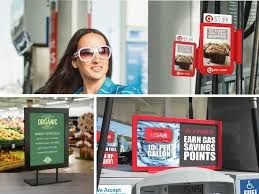
Consider how you can simplify the purchase for your customers. Make it so easy, they almost can’t say no. Think about the checkout line candy. It’s right there. It’s cheap. It’s a little treat. The advertising is implied by its placement. Your digital ads need to do the same job, but in an instant.
When Is An Impulse Purchase Too Much?
It’s good to be aware of when impulse buying might be crossing a line.
Financial Strain: If impulse buys are consistently causing you to overspend or go into debt, it’s a problem.
Buyer’s Remorse: If you often regret impulse purchases, it might be a sign to slow down.
Neglecting Needs: If you’re buying non-essentials while struggling to pay for necessities, that’s a red flag.
Responsible marketers aim to create ads that appeal to genuine desires, not to exploit financial difficulties or emotional weaknesses.
Future Trends in Impulse Advertising
The way we see ads is always changing.
Interactive Ads: Ads that let you try on a product virtually or play a quick game related to the product. This can increase engagement and impulse.
AI-Powered Personalization: Ads that adapt in real-time based on your browsing history and preferences. This can make an offer feel incredibly relevant and timely.
Short-Form Video Dominance: Platforms like TikTok and Instagram Reels are perfect for quick, engaging impulse ad content. The vertical format and short attention spans are ideal.
I’m seeing more and more shoppable ads directly within video content. You see something you like, and a little tag pops up. You can buy it without even leaving the video. That’s peak impulse ad efficiency.
Conclusion: Making Your Ad Count Instantly
Creating ads for impulse products is an exciting challenge. It’s about understanding quick human psychology and using design and messaging to create a powerful, immediate connection. By focusing on clear benefits, striking visuals, simple language, and a seamless buying process, you can turn fleeting interest into a definite purchase. Remember to always be clear, honest, and to make it as easy as possible for your customer to say “yes!”
Frequently Asked Questions
What is the main goal of an ad for an impulse product?
The main goal is to grab attention instantly and encourage an immediate purchase decision. This is done by highlighting immediate benefits, creating a sense of desire or urgency, and making the buying process very simple.
How important are visuals in impulse product ads?
Visuals are extremely important. Since people often make impulse decisions very quickly, striking images or short videos that clearly show the product’s benefit or appeal are crucial for capturing attention and conveying the message fast.
What makes a product suitable for impulse buys?
Products suitable for impulse buys are often low-priced, offer an immediate or clear benefit, tap into emotions (like joy or relief), or appeal to novelty. Their availability at the right moment also plays a big role.
Should impulse ads use a lot of text?
No, impulse ads should use very little text. The message needs to be delivered quickly. Short, punchy headlines and brief descriptions that focus on one key benefit are more effective than long paragraphs.
How can I create a sense of urgency in my ads?
You can create urgency by using phrases like “Limited time offer,” “While supplies last,” or “Ends soon.” Visual cues like countdown timers or “selling fast” badges also help convey that the opportunity is temporary.
What is the best way to make the purchase process easy after someone sees an impulse ad?
Make the purchase process seamless by having a clear and simple landing page that matches the ad. Offer one-click buying options, optimize for mobile, and allow guest checkout. Reduce any steps that require extra effort from the buyer.
Is it ethical to create ads designed to encourage impulse purchases?
It is ethical as long as the advertising is truthful, does not exploit vulnerabilities, and the product offers genuine value. The goal should be to present an appealing product in an attractive way, not to trick or pressure consumers.