Finding the right clients for high ticket offers can feel like searching for a needle in a haystack. You know your product or service offers immense value. Yet, getting it in front of the people who can afford it and see that value feels like a constant uphill battle.
It’s a common frustration for many businesses selling premium goods. You pour time and money into ads, hoping for that big win, but often get lost in a sea of general interest.
Effective ad approaches for high ticket sales focus on precise targeting, value-driven messaging, and building trust. They aim to attract clients who understand and appreciate premium offerings, moving beyond mass marketing to connect with a discerning audience through tailored strategies and a clear demonstration of ROI.
Understanding the High Ticket Audience
When you’re selling something that costs a significant amount, the people you’re trying to reach are different. They aren’t impulse buyers. They think carefully.
They look for quality and proven results. They have specific needs and often have complex problems. Your ads need to speak directly to these points.
You can’t just blast a generic message out to everyone. That wastes money and time.
The high ticket buyer often has more disposable income. But income isn’t the only factor. They also value their time.
They want solutions that work efficiently. They appreciate expertise. They want to feel confident in their decision.
This means your advertising must reflect this level of sophistication. It needs to build credibility from the first click.
Why Standard Ad Strategies Fall Short
Many ad platforms, like Facebook or Google, are built for broad reach. They work well for selling lower-priced items. Think of a simple gadget or a common service.
These ads capture attention quickly. They encourage fast purchases. But high ticket items are rarely impulse buys.
They involve a deeper consideration process. Mass advertising often reaches many people who simply cannot afford your offer. Or, they don’t understand the unique value you provide.
This leads to low conversion rates. It also creates a feeling of wasted ad spend.
The cost per click (CPC) can also be higher for competitive keywords. If you’re bidding on terms related to luxury services or high-end consulting, you’ll face many competitors. A broad approach means you’re paying for a lot of clicks from unqualified leads.
These clicks don’t lead to sales. They just increase your expenses. You need a smarter way to find those few, perfect clients.
I remember working with a coach who sold a $10,000 mastermind program. He was using standard Facebook ads. He’d get hundreds of clicks.
But maybe one or two leads a month. He felt defeated. His ad spend was high, and his sales were low.
It was clear his targeting and message weren’t hitting the mark for his premium offer.
Targeting is King for High Ticket Ads
This is where precision really matters. Instead of casting a wide net, you need to cast a very specific one. Think about who your ideal high ticket client is.
What are their job titles? What industries are they in? What are their interests and pain points?
Where do they spend their time online? What kind of content do they consume?
On platforms like LinkedIn, you can target by job title, industry, company size, and seniority. This is gold for B2B high ticket sales. For B2C, platforms like Facebook and Instagram allow you to target based on interests, behaviors, and demographics.
You can also use lookalike audiences. These are people who are similar to your existing best customers. This helps find new prospects who are likely to be interested.
You can also leverage retargeting. This is crucial. People who have visited your website, watched your videos, or engaged with your content are warmer leads.
They’ve shown some interest already. Showing them ads tailored to their previous interaction can be very effective. It reminds them of your offer and nudges them closer to a decision.
Audience Segmentation Snapshot
Identify Your Ideal Client:
- Demographics: Age, income level, location, education.
- Psychographics: Values, lifestyle, interests, attitudes.
- Behavioral: Online activity, purchase history, brand loyalty.
- Professional (B2B): Job title, industry, company size, revenue.
Key Takeaway: The more you know about your ideal client, the better you can target your ads.
Crafting a Value-Driven Message
Your ad copy and creatives must scream value. High ticket buyers want to know “What’s in it for me?” They want to see the return on investment (ROI) clearly. They aren’t just buying a product; they’re buying a solution to a significant problem or a way to achieve a major goal.
Your message needs to highlight the transformation you offer.
Focus on benefits, not just features. Instead of saying “Our software has AI analytics,” say “Our AI analytics help you reduce operational costs by 20% in the first quarter.” Be specific. Use numbers and data where possible.
This builds trust and demonstrates expertise. Your messaging should also align with the audience’s pain points. Show that you understand their struggles.
Storytelling can also be powerful. Share a brief case study or a testimonial. Show how someone else achieved great results with your offer.
This builds social proof. It shows that your solution works in the real world. Your visuals should also be professional and high-quality.
They should reflect the premium nature of your offering. Blurry photos or generic stock images won’t cut it.
The Power of Platform Choice
Not all ad platforms are created equal for high ticket sales. LinkedIn is often a top choice for B2B offerings. Its targeting capabilities for business professionals are unmatched.
Google Ads can also be effective, especially for capturing search intent. When someone searches for a specific solution to a high-value problem, you want your ad to appear.
Facebook and Instagram can still work, but you need to be very strategic. Use them for brand building, retargeting, and reaching specific lifestyle-driven audiences. YouTube ads can be excellent for storytelling and demonstrating expertise.
Think about where your ideal client spends their time and how they consume information. Choose platforms that align with their habits.
For example, if you sell a $50,000 business coaching program, LinkedIn ads targeting CEOs of companies with over $10 million in revenue will be more effective than broad Facebook ads. If you sell a $5,000 luxury vacation package, Instagram and Pinterest might be better suited, alongside highly targeted Google Ads for specific destinations or travel types.
Platform Spotlight: LinkedIn for High Ticket
Why it Works:
- Precise Professional Targeting: Job title, industry, seniority, company size.
- High Intent Audience: Users are often in a business mindset.
- Credibility Building: Easier to establish expertise and authority.
Best For: B2B services, high-end consulting, enterprise software, executive coaching.
Building a High Ticket Sales Funnel
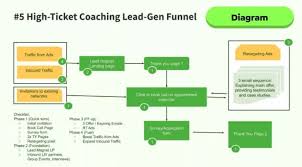
Your ad is just the first step. For high ticket sales, you need a robust sales funnel. This is the journey a potential client takes from first seeing your ad to becoming a paying customer.
It’s not usually a one-click purchase.
Awareness: This is where your ads come in. They introduce your brand and your solution. The goal is to pique interest.
Interest: A click leads to a landing page or a piece of valuable content. This could be a webinar, an e-book, or a detailed case study. Here, you deepen the prospect’s understanding of their problem and how you can solve it.
Desire: Through follow-up content, testimonials, and personalized communication, you build desire. Prospects start to see themselves achieving the results you promise.
Action: This is the sales conversation. For high ticket offers, this often means a discovery call, a consultation, or a demo. The goal is to close the deal.
Your ads should drive traffic to the appropriate stage of this funnel. A broad awareness ad might lead to a blog post. A retargeting ad might offer a free consultation call.
Each ad serves a specific purpose within the larger journey.
I once helped a software company selling a $15,000 enterprise solution. Their ads initially sent traffic directly to a contact form. Many people were hesitant.
We shifted their strategy. Ads now promoted a free webinar that explained industry challenges. Attendees then received follow-up emails with case studies.
Only after that were they invited to a demo call. Sales increased dramatically.
High Ticket Funnel Stages
Stage 1: Awareness (Ad): Capture attention, introduce value.
Stage 2: Interest (Landing Page/Content): Educate, build rapport, explain problem/solution.
Stage 3: Desire (Follow-up/Social Proof): Showcase results, build confidence, demonstrate ROI.
Stage 4: Action (Sales Call/Demo): Personalized discussion, address objections, close the deal.
The Role of Credibility and Trust
People will only spend significant money if they trust you. Your ads are often the first impression. They need to reflect professionalism and expertise.
This means high-quality visuals, clear language, and a consistent brand message. Avoid hype or overpromising. Be direct and honest about what you offer.
Showcase your credentials. If you have awards, certifications, or notable clients, mention them subtly in your ad copy or direct them to a page where these are visible. Testimonials and case studies are vital.
Seeing real people or businesses achieve success with your help is incredibly powerful. User-generated content, if applicable, can also boost trust.
Consider the user experience on your landing pages and website. Is it easy to navigate? Is the information clear?
Is there a clear call to action? Any friction or confusion in these early stages can lose you a high-value lead. The entire customer journey, starting with the ad, must feel seamless and trustworthy.
Testing and Optimization Strategies
No ad campaign is perfect from the start. Continuous testing is key. For high ticket ads, this means testing different audience segments, ad creatives, and messaging.
Even small changes can have a big impact on your cost per lead and conversion rates.
Use A/B testing. Create two versions of an ad with one element changed (e.g., headline, image, call to action). Run them simultaneously to see which performs better.
Track your key metrics: click-through rates (CTR), cost per click (CPC), conversion rates, and cost per acquisition (CPA).
Analyze your data regularly. Which audiences are responding best? Which ad creatives are generating the most engagement?
Which landing pages have the highest conversion rates? Use this information to allocate your budget more effectively. Double down on what’s working and cut what isn’t.
Don’t be afraid to experiment. What works for one high ticket offer might not work for another.
A/B Testing Essentials
What to Test:
- Headlines: Grab attention, highlight benefits.
- Images/Videos: High-quality, relevant, emotional connection.
- Call to Action (CTA): Clear, compelling (e.g., “Book Your Strategy Session,” “Download the Guide”).
- Audience Segments: Different interests, job titles, demographics.
Key Principle: Test one variable at a time for clear results.
Content Marketing Synergy
Your ads shouldn’t exist in a vacuum. They should be part of a larger content marketing strategy. High ticket buyers often do extensive research before making a decision.
They are looking for in-depth information and expert insights.
Create valuable content that addresses their problems, answers their questions, and positions you as a thought leader. This could include blog posts, whitepapers, case studies, webinars, podcasts, or in-depth guides. Your ads can then promote this content, drawing in prospects who are actively seeking solutions.
For instance, an ad might promote a whitepaper titled “The 5 Biggest Challenges Facing CEOs Today.” When a prospect downloads it, they enter your funnel. They receive follow-up emails that link to more related content, webinars, and eventually, an invitation for a consultation. This content builds trust and educates them about your expertise before they even speak to a salesperson.
Understanding Return on Ad Spend (ROAS)
For high ticket sales, the ROAS is paramount. Because the value of each customer is so high, you can often afford a higher customer acquisition cost (CAC). The key is ensuring that the revenue generated from a new customer significantly outweighs the cost of acquiring them.
Calculate your CAC carefully. If a client pays $20,000 for your service, and it costs you $3,000 in ad spend and sales efforts to acquire them, your ROAS is still excellent. However, if it costs you $15,000 to acquire that same client, it’s not sustainable.
This is why precision targeting and effective funnel management are so critical. You want to maximize the return from every dollar spent.
My friend Sarah, who sells luxury interior design services, found that her average client lifetime value was over $50,000. Initially, she was hesitant to spend more than $1,000 on ads per client. We worked together to show her that investing $5,000 in highly targeted LinkedIn and Google Ads was perfectly justifiable and highly profitable given the lifetime value of the clients she attracted.
Calculating Your ROAS
Formula:
Return on Ad Spend (ROAS) = Total Revenue Generated from Ads / Total Ad Spend
Example:
- Total Revenue from Ads: $100,000
- Total Ad Spend: $20,000
- ROAS: $100,000 / $20,000 = 5x
This means for every dollar spent on ads, you got five dollars back in revenue.
The Importance of a Clear Call to Action
Every ad needs a purpose. What do you want the person to do next? For high ticket offers, the call to action (CTA) should be clear and aligned with the next step in your funnel.
Avoid vague CTAs like “Learn More.” Instead, be specific.
Examples of effective CTAs for high ticket ads include:
- “Book Your Free Strategy Session”
- “Download Our High-Ticket Client Acquisition Guide”
- “Request a Personalized Demo”
- “Join Our Upcoming Expert Webinar”
The CTA should be prominent in your ad copy and creative. Make it easy for interested prospects to take the desired action. A well-placed and compelling CTA can significantly increase your conversion rates.
Leveraging Video in Your Ads
Video is an incredibly powerful tool for high ticket marketing. It allows you to build a stronger connection with your audience. You can convey personality, demonstrate expertise, and tell compelling stories more effectively than with static images.
Short, engaging videos can be used for awareness campaigns. Longer, more in-depth videos (like webinar replays or client testimonials) are great for nurturing leads further down the funnel. High-quality production values are important here, as they reflect the premium nature of your offer.
Personal videos, where you or your team speak directly to the camera, can be very effective at building trust and rapport.
Consider using explainer videos that clearly outline the problem you solve and the unique benefits of your high ticket solution. Even simple talking-head videos from an industry expert can establish authority. The key is to provide value and showcase your expertise in a dynamic, engaging format.
The Nuances of Google Ads for High Ticket
Google Ads is essential for capturing people who are actively searching for solutions. For high ticket items, you need to be smart about your keyword strategy. Broad keywords can be expensive and attract unqualified clicks.
Focus on long-tail keywords and specific phrases that indicate high intent.
For example, instead of bidding on “business coach,” consider bidding on “executive coaching for SaaS founders” or “ROI-focused marketing consulting for healthcare.” These more specific terms often have lower competition but attract prospects who are much closer to making a purchase decision.
Use negative keywords extensively to filter out irrelevant searches. If you sell high-end software, you’d want to add negative keywords like “free,” “demo download,” or names of competitor products you don’t integrate with. Ad extensions are also crucial.
They can provide extra information like your phone number, site links to specific pages, or even callouts about your unique selling propositions.
Google Ads Keyword Strategy
Focus On:
- Long-Tail Keywords: Specific phrases indicating high intent (e.g., “premium web design agency for startups”).
- Problem-Oriented Keywords: Terms related to the pain points you solve.
- Solution-Oriented Keywords: Terms related to the outcomes you provide.
Essential Tool: Use negative keywords to block irrelevant traffic.
When It’s Normal to Spend More on Ads
For high ticket offers, a higher Customer Acquisition Cost (CAC) is often normal and expected. This is because the lifetime value (LTV) of a single high-ticket client is much greater than that of a low-ticket customer. You can afford to spend more to acquire a client who will bring in significant revenue over time.
For example, if your product or service costs $10,000 and a client typically stays with you for two years, their LTV could be $20,000 or more. Spending $2,000-$5,000 on ads to acquire such a client is a sound investment. The key is to understand your LTV and ensure your CAC is a healthy percentage of it.
It’s also normal to spend more on ads when launching a new premium product or service. You need to invest in building awareness and educating the market. As you gather data and refine your targeting, you can optimize your spend to improve your ROAS.
When to Re-evaluate Your Ad Approach
If you’re consistently seeing high ad spend with very few qualified leads or sales, it’s time to re-evaluate. Are you targeting the right audience? Is your messaging clear and compelling?
Is your landing page converting effectively? Are you choosing the right platforms?
If your click-through rates are very low, your ads might not be relevant or engaging enough for your target audience. If you get a lot of clicks but very few leads, your landing page might not be aligned with your ad promise, or it might not be persuasive enough. If you get leads but they aren’t qualified, your targeting might be too broad.
Don’t be afraid to pause campaigns that aren’t performing. Analyze the data, make adjustments, and then test again. The digital advertising landscape is constantly changing, so regular review and adaptation are crucial for sustained success.
Structuring for Success: Landing Pages
Your ad is the invitation. Your landing page is the venue where the conversion happens. For high ticket offers, landing pages need to be highly optimized.
They should be focused on a single goal, usually to get the prospect to take the next step in the funnel (e.g., book a call, download a guide).
Key elements of a high-converting landing page include:
- Clear Headline: Matches the ad’s promise.
- Compelling Copy: Highlights benefits, addresses pain points, showcases value.
- Social Proof: Testimonials, logos of reputable clients, case studies.
- Strong Call to Action: Clear button or form.
- Professional Design: Clean, uncluttered, and reflects your brand.
- Minimal Navigation: To keep the visitor focused on the CTA.
Avoid sending ad traffic to your homepage, which has too many distractions. A dedicated landing page ensures you guide the prospect precisely where you want them to go.
High-Converting Landing Page Elements
Must-Haves:
- Headline: Clear and benefit-driven.
- Value Proposition: Why choose you?
- Social Proof: Testimonials, client logos.
- Call to Action: Obvious and persuasive.
- Mobile Responsiveness: Works on all devices.
Goal: Make it easy for the visitor to say “yes” to the next step.
Measuring Success Beyond Clicks
For high ticket sales, vanity metrics like just looking at clicks or impressions are not enough. You need to track metrics that directly impact revenue. This includes lead quality, conversion rates at each stage of the funnel, cost per qualified lead (CPL), and ultimately, cost per acquisition (CPA) and return on ad spend (ROAS).
Understand the journey from ad click to closed deal. Which touchpoints are most effective? Are there bottlenecks in your funnel?
By tracking these key performance indicators (KPIs), you can identify what’s working and what needs improvement. This data-driven approach is crucial for optimizing your ad spend and achieving sustainable growth with high ticket offers.
It’s easy to get caught up in the excitement of getting a lot of traffic. But for high ticket sales, it’s the quality of that traffic that matters most. A small number of highly qualified leads is far more valuable than a large number of unqualified ones.
The Long Game of Building Authority
High ticket sales are often built on relationships and trust. Your advertising should contribute to building your brand’s authority over time. This means consistently providing value and demonstrating your expertise.
Think of your ads as part of a larger conversation. They should invite people into a relationship with your brand. As they engage with your content, learn from your insights, and see the results you help others achieve, their trust in you grows.
This long-term strategy, supported by precise ad targeting, is what truly unlocks consistent high ticket sales.
Frequently Asked Questions About High Ticket Ads
What is the most important factor in high ticket advertising?
The most important factor is precise audience targeting. You need to reach the specific individuals or businesses who have the need, the budget, and the desire for your premium offer. Without the right audience, even the best messaging will fail.
Which ad platforms are best for high ticket sales?
It depends on your specific offer and audience. LinkedIn is excellent for B2B. Google Ads capture active search intent.
Facebook and Instagram can work for B2C with very specific targeting and retargeting. YouTube is great for video storytelling and demonstrations. Consider where your ideal client spends their time.
Should I use broad or specific keywords in Google Ads for high ticket offers?
For high ticket offers, specific, long-tail keywords are almost always better. These phrases indicate higher purchase intent and are often less competitive. They help you attract prospects who are actively looking for the exact solution you provide, rather than just general information.
How important is a dedicated landing page for high ticket ads?
Extremely important. High ticket buyers need focused information and a clear path to the next step. A dedicated landing page, designed with a single conversion goal, ensures prospects aren’t distracted and are guided effectively towards booking a call or requesting a demo.
Can I still use social media ads for high ticket products?
Yes, but with a more strategic approach. Instead of broad campaigns, focus on highly segmented audiences, retargeting visitors who have shown interest, and using ads to promote valuable content like webinars or in-depth guides that nurture leads. Social media is often best for building awareness and engagement for high ticket items.
What is the typical ROI for high ticket advertising?
The Return on Ad Spend (ROAS) for high ticket advertising can be very high, often significantly more than for lower-priced items. Because the value of each customer is so great, you can justify a higher cost per acquisition. Aiming for a 3x to 10x ROAS or even higher is not uncommon, but this varies widely.
Conclusion: Focus on Precision, Value, and Trust
Attracting clients for high ticket offers is a refined art. It requires a deep understanding of your ideal customer. It demands precise targeting and messaging that clearly communicates the immense value and transformation you provide.
Building trust is paramount. By focusing on these core elements, you can move beyond generic advertising and create ad campaigns that consistently attract the premium clients your business deserves.