TITLE: How to Match Creative Vision to Product Effectively
Sometimes, you have a spark. An idea. A whole vision.
You can see it so clearly in your mind. But then comes the hard part. How do you make it real?
How do you pick the right product to bring your creative dream to life? It feels like a big puzzle. Many creators struggle with this step.
They worry about wasting time or money. They fear their idea won’t translate well. It’s a common feeling.
You want your work to shine. You want others to see it as you do. This guide is here to help.
We will walk through how to match your creative ideas to the best product. We’ll make it simple and clear.
Your creative vision is a powerful thing. Matching it to the right product ensures your ideas get made. It helps your message reach people. It means your art or project finds its best home. This process involves understanding your core idea and then finding its perfect match.
Understanding Your Creative Vision
Before you can pick a product, you need to know your idea really well. What is the heart of your creation? What do you want people to feel or know?
Think about the main message. Is it about joy? Is it about change?
Is it about beauty? Write down the core feeling. Use simple words.
Think about who you want to reach. Are you making something for kids? Or maybe for busy adults?
Your audience matters a lot. It shapes what kind of product will work best.
Also, consider the style. Is your idea bold and bright? Or is it soft and subtle?
Is it modern and sleek? Or perhaps it’s rustic and charming? These visual clues help a lot.
They point towards certain types of products. For example, a bold idea might need a product that stands out. A subtle idea might need something more understated.
Think about the purpose too. Is this a gift? Is it for daily use?
Is it art to hang on a wall? The purpose guides your choices. A product for daily use needs to be durable.
A gift needs to feel special. Art for a wall needs to look good from afar.
Key Elements to Identify:
- Core Message
- Target Audience
- Visual Style
- Intended Purpose
- Key Emotion
Sometimes, the idea itself is the product. Other times, the product is just the way to show the idea. Knowing this difference is vital.
It helps you avoid mistakes early on.
Exploring Different Product Types
There are so many ways to make your creative vision real. Products range from simple to complex. Let’s look at some common ones.
Physical goods are very popular. This includes things like t-shirts, mugs, prints, or handmade items. These products let people hold your idea.
They can be part of daily life. Think about a funny quote on a mug. Or a beautiful design on a tote bag.
These make your creative vision wearable or usable.
Digital products are another big area. This could be e-books, online courses, software, or digital art files. These are great for sharing information or art widely.
A digital painting can be sold as a download. A helpful guide can become an e-book. This often means less upfront cost.
It also allows for quick distribution.
Services are also a form of product. If your creativity is in writing, design, or coaching, this is your path. You are selling your skill and time.
A writer might offer freelance writing services. A designer might offer logo design. These are direct ways to use your creative talents.
Experiences are becoming more popular. This could be workshops, events, or custom creative sessions. You are selling an activity.
People learn a skill or enjoy a unique moment. A pottery class is an experience product. A guided nature walk with a photographer is another.
Product Categories to Consider:
- Physical Goods (Apparel, Home Decor, Art Prints)
- Digital Products (E-books, Online Courses, Templates, Software)
- Services (Consulting, Freelance Work, Coaching)
- Experiences (Workshops, Events, Retreats)
Each type has its own pros and cons. The best one depends on your vision and goals. It’s not about finding the “best” product.
It’s about finding the right product for your idea.
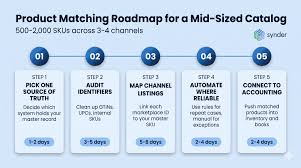
Matching Vision to Product: A Step-by-Step Approach
Now, let’s put it all together. We start with your creative vision. We have also looked at different product types.
The next step is the actual matching. It’s like finding the right puzzle piece. Start by asking tough questions.
Does my idea need to be touched? If yes, physical goods are likely a good fit. Think about the texture of your vision.
Does it need to be seen or heard? Digital products might work well then.
Consider the scale of your idea. Is it a small, quick thought? Or a large, deep concept?
A small idea might fit on a sticker. A big concept might need a whole course. Think about how complex your idea is.
Simple ideas often do best on simple products. Complex ideas might need more space, like a book or a website.
What is the budget like? Some products cost more to make. Printing t-shirts has an upfront cost.
Creating an online course takes time. Selling a service might have lower startup costs. Your financial situation is a big factor.
Don’t let it stop you, but be aware of it. Look for products that fit your budget. There are often ways to start small.
Also, think about your skills. Are you good with your hands? Do you enjoy writing?
Are you comfortable on camera? Your own skills can guide you. If you love building things, physical products make sense.
If you love sharing knowledge, teaching or writing might be better.
Guiding Questions for Matching:
- Does my idea need to be physical?
- How complex is my idea?
- What is my budget for creation?
- What skills do I already have?
- Who am I trying to reach, and where are they?
Sometimes, you might have more than one good match. That’s okay! It means your creative vision is rich.
You might even launch with one product and add more later. For instance, you could start with art prints and then add t-shirts. Or begin with a blog and later offer a course.
Finding the “Sweet Spot”: Vision, Audience, and Product
The best product is often found where three things meet:
1. Your Creative Vision: What you want to say or create.
2. Your Target Audience: Who you want to reach and what they want.
3. The Product Itself: The physical or digital item that carries your vision.
When these three align, your product has the best chance to connect and succeed. It feels natural. It feels right.
Personal Story: The Accidental Mug Maker
I remember when I first started getting serious about my art. I loved painting watercolor landscapes. They were detailed and calm.
I wanted to share them, but I wasn’t sure how. I thought about selling prints, but that felt a bit standard. I wanted something more unique.
I spent weeks browsing art sites. I looked at websites selling art books. Nothing felt quite right.
I was getting frustrated.
One rainy Saturday, I was looking through my kitchen cabinets. I picked up a plain white mug. A silly thought popped into my head.
What if my art was on this mug? It seemed so simple. Almost too simple.
My art was delicate watercolors. Would they look good on a curved surface? Would they still feel special?
I worried it might cheapen my work. I almost dismissed the idea.
But I decided to try it. I found a local printer that did custom mugs. I sent them one of my favorite landscape paintings.
I held my breath when the mug arrived. I carefully unwrapped it. And there it was.
My painting, wrapped around the mug. The colors were still soft. The details were clear.
It felt different, yes, but it felt good. People saw it and loved it. They said it was like holding a little piece of art.
It was the right product for that specific painting. It brought my calm vision to people in a new, everyday way. I never expected to be a mug maker, but it worked!
Considering Your Audience’s Habits
Your audience is key to choosing the right product. Think about where they spend their time. Do they scroll through social media?
Do they read blogs? Do they listen to podcasts? This tells you how they consume information and art.
If your audience is very online, digital products or easily shareable physical items make sense.
What are their daily routines? If they are busy professionals, maybe a quick online course is good. Or perhaps a small, useful desk item.
If they are parents, items for kids or home might be better. Consider their needs and wants. What problems can your creative vision solve for them?
Or what joy can it bring?
For example, if your vision is about finding peace, what does that look like for your audience? For some, it’s a guided meditation app (digital). For others, it might be a calming scented candle (physical).
For another group, it could be a workshop on mindfulness (experience).
Audience Habit Questions:
- Where do they spend their free time?
- What are their daily challenges?
- What kind of products do they already buy?
- How do they prefer to learn or be entertained?
Understanding these habits helps you pick a product that fits naturally into their lives. It’s not just about what you want to make. It’s about what your audience will welcome and use.
Audience Snapshot: Who Are You Talking To?
Scenario 1: The Busy Student
- Needs: Quick learning, affordable tools, stress relief.
- Good Products: Study planners, bite-sized online lessons, fun stationery.
Scenario 2: The Young Professional
- Needs: Career growth, stylish lifestyle items, networking opportunities.
- Good Products: Skill-building courses, sleek desk accessories, event tickets.
Scenario 3: The Eco-Conscious Parent
- Needs: Sustainable options, child-friendly items, helpful home tips.
- Good Products: Reusable products, organic baby clothes, educational nature guides.
The Role of Materials and Production
The materials you choose and how a product is made deeply affect the final result. This is where your vision really meets reality. If your vision is about nature and organic living, you’ll want eco-friendly materials.
Think bamboo, recycled paper, or organic cotton. These choices communicate your values.
If your vision is about luxury and quality, you’ll need high-end materials. This could be fine art paper, premium leather, or durable metal. The feel and look of these materials enhance your creative message.
They signal quality and attention to detail. This can justify a higher price point.
Production methods also matter. Is it hand-stitched? Is it 3D printed?
Is it digitally rendered? Each method has a different feel. Handmade items often convey warmth and uniqueness.
Mass-produced items can offer consistency and lower costs. The production method should match your vision’s story.
For example, a vision of “modern minimalism” might call for sleek, manufactured items. A vision of “artisanal craftsmanship” would need products made with traditional techniques. Don’t overlook this.
The materials and how things are made are part of your creative expression.
Material & Production Check:
- Do the materials feel right for my vision?
- Does the production method match the story I want to tell?
- Are these materials and methods within my budget?
- Are they accessible for my target audience?
Sometimes, finding the right production partner is crucial. They can offer advice and options you may not know about. Explore what’s possible.
See how different materials and processes can bring your vision to life.
When Vision and Product Don’t Align (Red Flags)
It’s important to spot when your creative idea and a potential product just don’t fit. These are red flags. Ignoring them can lead to wasted effort and disappointment.
One big red flag is when the product forces your idea into a shape it doesn’t want to be.
For instance, if your vision is about freedom and open space, putting it on a tiny, restrictive item might not work. Or if your idea is complex and nuanced, trying to cram it onto a social media graphic might lose all its depth. The product should enhance your vision, not fight against it.
Another sign is when the product creates the wrong feeling. If your vision is warm and inviting, but the product feels cold or industrial, something is off. This could be due to materials, colors, or even the way it’s presented.
Trust your gut feeling here.
Cost is also a factor. If the ideal product to represent your vision is far too expensive to produce or buy, it might not be the right fit right now. This doesn’t mean your vision is bad.
It might mean you need to find a more accessible version of that product. Or perhaps wait until you have the resources.
Red Flags to Watch For:
- Product fights against the core message of the vision.
- The feeling of the product clashes with the vision’s mood.
- Production cost makes the product unaffordable.
- Audience won’t understand or appreciate this product choice.
- The product limits the idea rather than expressing it.
Recognizing these signs early helps you course-correct. You can explore other product options. Or you can refine your vision to better suit the available products.
It’s about finding harmony.
Myth vs. Reality: Product Choices
Myth: The most popular product type is always the best choice.
Reality: The best product is the one that authentically carries your specific creative vision to your target audience. What’s popular might not be right for you.
Myth: If my idea is complex, it needs a complex product.
Reality: Sometimes, the most effective way to convey a complex idea is through a simple, elegant product that makes people stop and think. Clarity is key.
Testing Your Product Idea
Before you go all-in, it’s smart to test your product idea. This means getting feedback. You don’t need to have the final product ready.
You can start with mockups or prototypes. Show them to people whose opinions you trust. Ask them specific questions.
For example, if you’re thinking about a new type of planner, show a sketch of it. Ask: “Does this planner seem like it would help you organize your week?” Or if you’re considering an online course, describe the topics. Ask: “Would you be interested in learning about X, Y, and Z in this way?”
Pay attention to their reactions. Are they excited? Confused?
Indifferent? Their body language and tone can tell you a lot. Listen more than you speak.
Let them share their thoughts freely.
You can also do small-scale tests. Order a small batch of your product. Offer it to a select group of your audience.
See how they respond. Do they buy it? Do they use it?
Do they talk about it? This real-world feedback is invaluable.
Testing Methods:
- Show mockups or sketches to friends.
- Describe your product idea and get verbal feedback.
- Create a simple prototype and share it.
- Offer a small batch of products for sale.
- Run a survey to gather input.
Testing doesn’t guarantee success, but it significantly reduces risk. It helps you refine your product choice. It ensures you’re on the right track before investing heavily.
What This Means for Your Creative Journey
Matching your creative vision to the right product is a crucial step. It’s not always easy. But by understanding your vision deeply and exploring product options thoughtfully, you can make informed choices.
It’s about finding the best vessel for your ideas.
Don’t be afraid to experiment. Sometimes, the first product you choose might not be the perfect fit. That’s okay.
The creative journey is often about learning and adapting. You might discover new product ideas as you go. Your audience might give you clues.
Your own skills might evolve.
The goal is to bring your creative energy into the world in a way that feels authentic to you and valuable to others. When your vision and product are in sync, your work has a stronger voice. It connects more deeply.
It has a better chance to make the impact you dream of.
Quick Fixes & Tips for Product Alignment
If you feel your current product choice isn’t quite right, here are a few simple things to try:
- Revisit Your Core Message: Is the product truly serving this message?
- Simplify: Can the product be simpler to better highlight the core idea?
- Ask “Why?”: For every product choice, ask “why this product?” multiple times.
- Look at Competitors: How are others with similar visions presenting their work? Learn from them, but stay true to your unique vision.
- Focus on the Audience Experience: How does the audience interact with this product? Does it feel good for them?
- Consider a Different Format: Could your idea work as a blog post, a short video, or a simple printable instead?
Sometimes a small tweak can make a big difference. Other times, you might need to pivot to a completely different product type. Be open to both.
Frequently Asked Questions
What if I have many creative ideas?
That’s wonderful! It’s best to focus on one strong idea and its best product fit at a time. Try to choose the idea that excites you the most right now.
You can always come back to others later. Prioritizing helps you give your best effort.
How do I know if my creative vision is “good enough” for a product?
Your vision is good enough if it comes from you and you want to share it. Don’t wait for perfect. Every creator starts somewhere.
The important thing is to translate your unique perspective. The product is just the way to share it.
What if my audience doesn’t understand my creative vision?
This can happen. It might mean your product choice isn’t clear enough. Or your core message needs more explanation.
Try simplifying the product or adding context. For example, include a short description with physical products. For digital ones, use clear marketing language.
Can I sell my art as both prints and on merchandise?
Yes, absolutely! Many artists do this. You can offer high-quality prints for collectors.
Then, you can put your art on t-shirts, mugs, or stickers for a broader audience. Just make sure each product type serves a slightly different purpose or audience segment.
How much should I spend on my first product?
Start small if you can. This helps you test the waters without huge risk. Many print-on-demand services or digital product platforms have low upfront costs.
This allows you to invest your time and creative energy first, and money later, once you see traction.
What if I’m not a good business person? Can I still succeed?
Many creatives aren’t natural business people! That’s okay. Focus on what you do best – creating.
Learn the basics of selling your chosen product type. You can also find partners, friends, or hire help for the business side as you grow. There are many resources available to help artists with business.
Conclusion
Bringing your creative vision to life through the right product is a journey of discovery. It’s about connecting your inner world to the outer world. By understanding your idea, knowing your audience, and choosing wisely, you can make your creative dreams a tangible reality.
Trust your instincts, be open to learning, and enjoy the process of sharing your unique spark with the world.