Finding the right way to show your ads can feel like a puzzle. You want your message to connect. But with so many options, which ad format is best?
It really depends on who you are trying to reach. What you are selling matters too. Let’s break down what works where.
The best ad format by niche often involves visual storytelling or direct response, depending on whether the niche values brand building or immediate action. Matching the ad’s tone and platform to the niche’s audience is key.
Understanding Ad Formats and Niches
Digital ads come in many shapes and sizes. Think of images, videos, text, and interactive bits. Each one grabs attention in a different way.
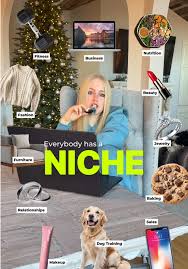
A niche is just a small, focused part of a larger market. For example, “organic pet food” is a niche. “High-end custom furniture” is another.
What works for one might not work for the other.
Why does this matter? Because every niche has its own audience. People in different niches look for different things.
They spend their time on different websites or apps. They react to different kinds of messages. Using the wrong ad format is like trying to speak a language nobody understands.
It’s a waste of time and money. We need to match the message to the medium and the person.
This guide will help you figure out which ad formats fit best. We will look at common niches. We will talk about why certain formats click with certain groups.
By the end, you will have a clearer idea of how to make your ads work harder.
The Power of Visuals: Where Images Shine
Some niches are all about how things look. They sell products or services that people want to see. Think about fashion, food, travel, and home decor.
If your niche is about beauty, you need to show it. A stunning picture or a short video can say more than words ever could.
Image ads are classic for a reason. They are easy to digest. A good image stops someone scrolling.
It shows the product or the feeling it gives. For example, a travel niche might use a breathtaking photo of a beach. A home decor niche could show a beautifully styled living room.
These ads create desire. They make people imagine themselves there.
Social media platforms like Instagram and Pinterest are built for this. They are visual first. This makes them perfect for niches where aesthetics are important.
You can use single image ads. You can also use carousel ads. Carousels let you show multiple angles or products.
This is great for fashion or online stores.
Video ads also fall into this category. A short, engaging video can tell a story. It can show a product in action.
For food bloggers, a quick recipe demo is golden. For travel sites, a drone shot of a destination is compelling. Video captures attention and holds it longer than a static image.
My own experience with a small handmade jewelry business showed this clearly. We tried text ads at first. They got clicks, but sales were low.
Then we switched to Instagram ads with beautiful photos of the necklaces. Sales went up significantly. People could see the craftsmanship.
They could imagine wearing it. It was a game-changer.
Visual Ad Format Spotlight
What it is: Ads that primarily use images or short videos.
Why it works: Grabs attention quickly. Shows product appeal. Creates emotional connection.
Great for aspirational or aesthetic niches.
Best for: Fashion, food, travel, home decor, art, luxury goods, beauty.
Examples: Instagram feed ads, Pinterest pins, Facebook image ads, YouTube TrueView in-stream ads (for short clips).
Direct Response: Driving Action in Every Niche
Some niches are less about dreaming and more about doing. People in these niches often have a problem to solve. They are looking for a service or a product that offers a clear benefit.
Think about financial services, legal help, software, or home repair. They want a solution, and they want it now.
For these niches, direct response ads are king. The goal is simple: get the person to take a specific action. This could be calling a number, filling out a form, or clicking to buy.
These ads focus on clear calls to action (CTAs).
Text ads are still powerful here. They can be very targeted. Google Search Ads are a prime example.
When someone searches for “emergency plumber near me,” they want results. A text ad that says “24/7 Emergency Plumbing – Call Now!” is highly effective. It speaks directly to their immediate need.
Lead generation ads are also vital. These are often found on platforms like Facebook. They might offer a free guide or a consultation.
The user fills out a short form right within the app. This is much easier than going to a separate website. It lowers the barrier to entry.
This is perfect for niches where collecting leads is the main goal, like real estate or insurance.
The key here is understanding the user’s intent. What are they searching for? What problem are they trying to fix?
Your ad should offer that solution clearly and concisely. Make it easy for them to say “yes” to your offer.
I once worked with a small business that offered home cleaning services. They were struggling to get local clients. We ran Facebook ads targeting people in specific zip codes.
The ads offered a discount on the first cleaning. The CTA was clear: “Book Your First Cleaning Today.” We saw a huge jump in bookings. People were looking for a service, and we provided a clear incentive and a simple next step.
Direct Response Ad Styles
What it is: Ads designed to get an immediate user action.
Why it works: Meets urgent needs. Offers clear solutions. Focuses on measurable results (leads, sales).
Effective for service-based or problem-solving niches.
Best for: Legal services, home repair, software, B2B services, financial planning, local services.
Examples: Google Search Ads, Facebook Lead Ads, SMS marketing campaigns, direct mail.
Content-Driven Niches: The Appeal of Informative Ads
Some niches thrive on providing value through information. People come to these places to learn, to get advice, or to understand complex topics. Think about personal finance, health and wellness, education, technology reviews, or DIY guides.
These niches need ads that offer substance.
Native advertising and sponsored content work well here. Native ads look and feel like the content around them. They blend in.
This makes them less disruptive. They feel more like a recommendation. Sponsored articles or blog posts can explore a topic in depth.
They build trust and authority.
Video content, especially longer-form explainer videos or tutorials, is also huge. A health niche might create a video explaining a common condition. An educational niche could offer a webinar preview.
A tech niche could do an in-depth review of a new gadget. These videos provide real value.
Podcast ads are another great fit. If your niche audience listens to podcasts about specific topics, sponsoring a relevant podcast can be very effective. The host often reads the ad, which feels personal and trustworthy.
It’s like a friend giving a recommendation.
What’s important here is building credibility. People in these niches are often skeptical. They want to trust the source of their information.
Ads that feel overly pushy or salesy will backfire. Ads that educate and inform will resonate. They position your brand as an expert.
I remember reading a blog about sustainable living. They had an ad for a composting service. It wasn’t a flashy banner.
It was a short article about the benefits of composting. It explained how the service made it easy. It felt like helpful advice.
I actually looked them up because of it. It wasn’t just an ad; it was part of the solution.
Informative Ad Strategies
What it is: Ads that focus on educating or providing value.
Why it works: Builds trust and authority. Engages users who seek knowledge. Less intrusive than direct sales pitches.
Ideal for niches focused on learning and advice.
Best for: Health, finance, education, technology, DIY, science, news.
Examples: Sponsored blog posts, explainer videos, webinar promotions, podcast ads, native advertising.
B2B Niches: Reaching Professionals Effectively
Business-to-business (B2B) niches have a unique audience. The buyers are often looking for solutions to improve their business operations. They value efficiency, ROI, and reliability.
Their decision-making process can be longer and involve multiple people.
LinkedIn is often the go-to platform for B2B advertising. Its professional focus makes it ideal. Sponsored content, text ads, and message ads can all be effective.
Sponsored content allows you to share in-depth articles, case studies, or white papers. These provide valuable business insights.
Case studies are incredibly powerful in B2B. They show how your product or service has helped other businesses achieve success. This builds trust and demonstrates tangible results.
Ads that highlight these successes can capture attention.
Webinars and virtual events are also key. They offer a way to educate potential clients and generate leads. Ads promoting these events can be very targeted.
You can reach specific job titles or industries.
Email marketing remains a strong contender for B2B. Building an email list through valuable content is crucial. Targeted email campaigns can nurture leads.
They can also inform existing clients about new offerings.
The tone in B2B ads is generally more formal and professional. It needs to convey expertise and reliability. Showing an understanding of business challenges is important.
Focus on how you can solve their problems and improve their bottom line.
I saw a software company for small businesses that used LinkedIn ads very smartly. They didn’t just push their software. They shared articles about improving team productivity.
They offered free templates for project management. Their ads felt like they were offering genuine business advice. This made me more likely to consider their software when I needed it.
B2B Ad Strategies
What it is: Ads targeting other businesses.
Why it works: Reaches decision-makers. Focuses on business needs and ROI. Builds professional credibility.
Effective for complex solutions and long sales cycles.
Best for: Software, consulting, manufacturing, enterprise services, professional development.
Examples: LinkedIn sponsored content, B2B email campaigns, industry publication ads, webinars, trade show promotions.
Niche Niches: Micro-Targeting with Specific Formats
Sometimes a niche is so specific, you need to get really creative. Think about hobbies like competitive dog grooming, vintage arcade game collecting, or ultra-marathon running. These audiences are smaller but often very passionate and engaged.
For these super-niche groups, community engagement is vital. Facebook groups, Reddit subreddits, and specialized forums are gold mines. Ads here need to feel like they belong.
They should speak the language of the community.
Display ads on niche websites can work. If there’s a popular blog about vintage arcade games, advertising there makes sense. The audience is already interested.
These ads might be image-based or text-based.
Influencer marketing can also be huge in micro-niches. Finding someone within that community who has influence can be very powerful. A well-known dog groomer might promote a new grooming tool.
An arcade game collector could review a new restoration kit.
The key for micro-niches is deep understanding. You need to know where these people hang out online. What kind of content do they consume?
What are their inside jokes or shared passions? Ads that show you “get it” will perform best.
I saw a fellow who collected vintage synthesizers. He ran a small online store. He advertised on niche music forums.
His ads weren’t flashy. They were text-based, talking about the unique sound qualities of a particular synth he had for sale. He also posted in a dedicated Facebook group, sharing his knowledge.
His sales were steady because he connected directly with his audience’s passion.
Micro-Niche Ad Tactics
What it is: Reaching very specific, small audience segments.
Why it works: High relevance leads to strong engagement. Audience is often passionate and loyal. Builds community connection.
Good for unique products or specialized services.
Best for: Rare hobbies, specialized collectibles, unique subcultures, highly specific professional groups.
Examples: Forum ads, Reddit ads in subreddits, niche website display ads, micro-influencer collaborations, targeted social media groups.
Choosing the Right Platform Matters
We’ve talked about formats, but where you place them is just as important. The platform dictates much about user behavior.
Google Search: Best for people actively looking for something. Text ads are dominant. Intent is high.
Social Media (Facebook, Instagram, TikTok): Great for discovery and engagement. Visuals and short videos shine. Good for building brand awareness and driving impulse buys.
You can target based on interests and demographics.
LinkedIn: The professional network. Ideal for B2B and career-related niches. Offers deep targeting for professionals.
YouTube: A video powerhouse. Excellent for storytelling, demonstrations, and brand building. Pre-roll, in-stream, and discovery ads are common.
Pinterest: Visual search engine. Users come for inspiration and planning. Great for product discovery in lifestyle niches.
Niche Websites & Forums: Direct access to highly specific audiences. Display ads or sponsored content can be very effective.
Think about where your ideal customer spends their time. Are they browsing for inspiration? Are they solving a problem?
Are they connecting with peers? Your ad format choice should align with their activity on that platform.
What This Means for You
The “best” ad format is rarely one-size-fits-all. It’s a blend of your niche, your audience, your goals, and the platform you use. Don’t be afraid to experiment.
When is it normal to use image ads? For niches where the product’s look is key, like fashion or food. When should you lean towards text ads?
When people are searching for solutions, like “emergency plumber.” When do video ads make sense? For storytelling or demonstrating how something works.
It’s also wise to consider what your competitors are doing. Are they having success with a certain format? It might be worth trying.
But don’t just copy. Understand why it might be working for them.
Most people miss this: the context of the ad matters. An ad for a luxury car might be jarring on a coupon-sharing site. But it fits perfectly on a high-end car magazine’s website.
Always think about where your ad will appear.
Quick Tips for Better Ad Choices
Here are some simple ideas to help you pick the best ad format:
- Know Your Goal: Are you trying to get sales, leads, or brand awareness? This guides your format.
- Understand Your Audience: What do they like to see and read? How do they search for information?
- Platform Power: Choose platforms where your audience is active and receptive to your format.
- Test and Measure: Always track your results. See which formats perform best for your niche.
- Keep it Simple: Don’t overcomplicate your message or your visuals. Clarity wins.
- Call to Action (CTA): Make it obvious what you want people to do next.
I once saw a new coffee shop open. They used Instagram stories with short videos of their baristas making latte art. They also ran local Facebook ads with a “buy one, get one free” offer.
This mix of visual appeal and a direct incentive worked wonders for them. It showed they understood their local, younger customer base.
Frequent Questions About Ad Formats
What is the most common ad format across all niches?
Image and video ads are very common. They are used across many platforms and niches because they grab attention easily. However, text ads on search engines are also extremely prevalent for users with high intent.
Should I use different ad formats for different stages of the customer journey?
Yes, absolutely. For awareness, visual or engaging video ads might work best. For consideration, informational content like sponsored articles or webinars are good.
For decision-making, direct response ads with clear CTAs are ideal.
How important is mobile-first design for ad formats?
Extremely important. Most online activity happens on mobile devices. Your ad formats must look good and function well on smaller screens.
This includes readable text, clear images, and easy-to-tap buttons.
Can I use the same ad format for B2B and B2C niches?
While some formats like video can work for both, the content and platform usually need to be different. B2B often requires more professional content on platforms like LinkedIn, while B2C might use more lifestyle visuals on Instagram.
What are “native ads” and are they good for all niches?
Native ads blend in with the content around them. They feel less like ads. They can be very effective in niches where users consume a lot of content, like news sites or blogs.
They might be less suitable for highly direct-response niches where a clear ad stands out.
How do I know if my ad format is too complex for my niche?
If your audience isn’t engaging with it, or if it requires too much explanation, it might be too complex. Simpler formats that are easy to understand quickly often perform better, especially in fast-paced digital environments.
Conclusion
Picking the best ad format for your niche is an art and a science. It’s about knowing your audience deeply. It’s about understanding where they are and what they need.
Don’t guess. Test, learn, and adapt. Your ideal format is out there, waiting for you to discover it.