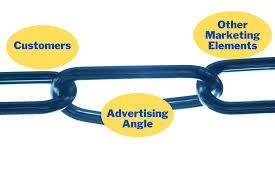
Understanding how to angle your advertising for different types of products is key. It’s not a one-size-fits-all game. Each category has its own way of speaking to customers and showing them why they need what you offer. We’ll break down these differences so your ads speak directly to the right people.
The Heart of Advertising: Finding Your Angle
Advertising is all about connection. It’s about showing people why they need something. But what they need and how they want to hear about it changes a lot.
Think about it: a new smartphone is very different from a loaf of artisanal bread. The feelings, the problems, and the solutions are miles apart.
Your ad angle is your main selling point. It’s the core message that makes someone stop and listen. For some products, the angle is about saving money.
For others, it’s about status or solving a specific pain. It’s the unique way you present your offer. Getting this right means your ad won’t just be seen; it’ll be remembered.
We’re going to look at how this angle shifts. We’ll explore different product types and the best ways to talk about them. This will help you craft ads that truly resonate.
You’ll learn to see your product through your customer’s eyes. You’ll discover what truly matters to them.
My First Big Ad Mistake: Selling Socks Like They Were Gold
I remember when I first started my online store. I was so excited about my line of super-soft, bamboo-blend socks. I thought they were the best things ever made.
My angle? I focused on the amazing material and the intricate knitting. My ads talked about “superior fiber technology” and “unparalleled craftsmanship.” I even used words like “luxurious.”
The problem was, people just wanted comfy socks for their feet. They weren’t thinking about fiber technology when they scrolled through their feeds. They were probably just looking for something to keep their toes warm or prevent blisters.
My ads felt out of touch. I was showing them a supercar when they just needed a reliable bike.
Sales were slow. Really slow. I felt a knot of panic tighten in my stomach.
Was my product bad? Was I bad at this? I stared at the numbers, confused.
It took a friend pointing out that my ads sounded like a technical manual for a space suit to make me realize my error. I was talking at people, not to them.
How Product Type Shapes Your Ad Angle
The kind of product you sell is the biggest factor in how you frame your ad. Different categories pull on different emotions and needs. Let’s break down some common types.
Tech Gadgets: The “Future is Now” Angle
What works: These products often promise to make life easier, faster, or more exciting. Your ads should highlight innovation, cutting-edge features, and how the gadget solves a problem or creates a new possibility. Focus on the benefits, not just the specs.
Show how it fits into their lifestyle and makes them feel smarter or more efficient.
Example angle: “Unlock new possibilities. Experience lightning-fast speeds and seamless connectivity with the all-new Aura X1.”
Fashion & Apparel: The “Express Yourself” Angle
What works: This is all about identity, style, and how clothes make people feel. Ads should tap into emotions, aspirations, and trends. Show the clothing in aspirational settings or on people who embody the desired lifestyle.
Focus on beauty, confidence, and fitting in (or standing out). Use strong visuals.
Example angle: “Define your style. Feel confident and chic in our latest collection, designed for your every moment.”
Food & Beverage: The “Taste & Experience” Angle
What works: For food, taste, freshness, and the experience of eating or drinking are paramount. Ads should evoke sensory pleasure. Think delicious imagery, descriptions of flavors, and the moments shared around food.
Highlight quality ingredients and where the food comes from if that’s a selling point.
Example angle: “Savor the moment. Our freshly baked sourdough bread, crafted with simple, wholesome ingredients for a taste you’ll love.”
Home Goods & Decor: The “Create Your Sanctuary” Angle
What works: People buy home goods to make their living spaces comfortable, beautiful, and functional. Ads should focus on comfort, style, and creating a specific mood or atmosphere. Show how the product transforms a space.
Highlight durability, ease of use, or unique design elements that enhance home life.
Example angle: “Transform your space. Cozy up with our plush throws and elegant decor, designed to make your house feel like home.”
Health & Wellness Products: The “Feel Your Best” Angle
What works: These products aim to improve well-being, solve health issues, or promote a healthier lifestyle. Ads need to build trust and communicate clear benefits. Focus on relief, vitality, and feeling good.
Be transparent about ingredients and efficacy. Often, testimonials and expert endorsements are powerful here.
Example angle: “Find your balance. Our all-natural supplements support your energy levels and overall well-being, so you can live fully.”
Services (e.g., Financial, Consulting): The “Solve Your Problem” Angle
What works: Services often address complex needs or pain points. Ads must convey expertise, trustworthiness, and clear solutions. Focus on outcomes and the peace of mind your service provides.
Highlight how you make a difficult process easy or achieve a desired result efficiently. Data and results are important.
Example angle: “Simplify your finances. Our expert advisors help you plan for a secure future with personalized strategies.”
Real-World Context: Where the Angles Meet the Market
The context of where your ad appears matters. A flashy social media ad for fashion needs to be quick and visually arresting. A detailed print ad in a specialized magazine might allow for more depth.
Think about your target audience and their mindset when they encounter your ad.
For instance, if you’re selling baby products, your angle might be about safety and peace of mind for new parents. You’d show happy babies and reassured parents. The context might be parenting blogs or forums.
The message needs to feel nurturing and trustworthy.
On the other hand, an ad for a high-performance gaming laptop would likely be in gaming magazines or on esports websites. The angle here would be speed, power, and competitive edge. You’d show intense gameplay and highlight technical superiority.
The context dictates the tone and the specific benefits you emphasize.
Consider the platform. Instagram is visual. Facebook allows for more text.
LinkedIn is professional. Each platform shapes how you present your angle. A product for young adults might thrive on TikTok with short, energetic videos.
An older demographic might respond better to a well-crafted email campaign or a Facebook ad.
The user’s intent on the platform also plays a role. Someone browsing Pinterest is often looking for inspiration. Someone searching on Google is looking for a solution.
Your angle needs to align with why they are there in the first place.
I learned this by observing how other brands succeeded. A skincare brand selling anti-aging cream wouldn’t just say “reduces wrinkles.” They might show before-and-after photos (with disclaimers, of course!) and talk about regaining confidence. The context is often lifestyle magazines or beauty websites.
What This Means for You: Finding Your Product’s Voice
So, how do you find the right angle for your specific product? Start by asking yourself some key questions.
- Who is my ideal customer? What are their dreams? What keeps them up at night?
- What problem does my product solve for them? Or what desire does it fulfill?
- What makes my product unique? Is it the quality, the price, the convenience, the innovation, or something else?
- What emotion do I want people to feel when they see my ad? Hope? Excitement? Relief? Security?
- Where will people see this ad? What is their mindset in that place?
It’s about seeing your product through their eyes. My sock mistake was thinking the product features were the most important thing. The real angle was the benefit to the wearer: comfortable feet, happy day.
Once I shifted my ads to focus on how good their feet would feel, sales improved.
For example, if you sell eco-friendly cleaning supplies, your angle might be “clean home, clean planet.” You’d show sparkling surfaces alongside images of nature. The emotion is guilt-free cleanliness and environmental responsibility. The context might be blogs about sustainability or social media feeds focused on green living.
If you’re selling software for small businesses, the angle is about saving time and money, and growing their business. You’d highlight features that automate tasks or provide valuable insights. The context would be business publications or LinkedIn.
The emotion is empowerment and efficiency.
When it’s normal: It’s normal to try different angles. What works for one audience might not work for another. It’s also normal for an angle to evolve as your product or market changes.
When to worry: You should worry if your ads feel completely ignored. If engagement is zero, or if sales are stagnant despite a good product, your angle might be off. If your message feels confusing or doesn’t connect with the customer’s needs, it’s time to rethink.
Also, be wary of angles that make unrealistic promises or feel untrustworthy. Authenticity is key.
Quick Tips for Sharpening Your Ad Angle
Here are some simple ways to make your advertising angles sharper and more effective:
- Keep it Simple: Use plain language. Avoid jargon or overly technical terms unless your audience expects them.
- Focus on Benefits, Not Just Features: How does the feature help the customer? (e.g., Feature: “Waterproof. Benefit: “Keeps your gear dry in any weather.”)
- Use Strong Visuals: Images and videos are powerful. They can convey emotion and benefit much faster than words.
- Tell a Mini-Story: Even a short ad can hint at a narrative that customers can relate to.
- Know Your Platform: Tailor your angle and message to where your ad will appear.
- Test and Refine: Don’t be afraid to try different angles. Use A/B testing to see what performs best.
- Emphasize What’s Most Important: For a luxury item, focus on quality and exclusivity. For a budget item, focus on value.
Frequently Asked Questions about Ad Angles
What is an ad angle?
An ad angle is the main point or perspective you use to present your product or service to potential customers. It’s the core message that highlights why someone should care and what makes your offer special. It focuses on the benefit or solution for the customer.
Why does product type matter for ad angles?
Different product types appeal to different needs and emotions. A tech gadget might focus on innovation and efficiency, while a food item focuses on taste and experience. Understanding the product type helps you choose the most relevant and persuasive angle for your audience.
How do I know if my ad angle is right?
You know your angle is right if your ads get attention, generate interest, and lead to sales or desired actions. If people are engaging with your ads, clicking through, and converting, your angle is likely effective. If not, it may need adjustment.
Should I use the same angle for all my products?
No, it’s generally best to tailor your ad angle to each specific product. Even within a brand, different products will have different unique selling points and appeal to different customer needs or desires. A consistent brand voice is good, but the specific angle should vary.
How do I research the best angle for my product?
Research involves understanding your target customer, their problems, desires, and motivations. Look at what competitors are doing, read customer reviews, and consider the unique benefits your product offers. Testing different angles through ads is also a great way to find what works.
Can an ad angle change over time?
Yes, absolutely. Market trends, customer preferences, and your product’s lifecycle can all influence the best ad angle. You might need to update your angle to stay relevant or to highlight new features or benefits that emerge.
Bringing It All Together
Finding the right ad angle is like learning a new language. It’s about understanding who you’re talking to and what they want to hear. By looking at your product type, your audience, and the context where your ad will live, you can craft messages that truly connect.
Don’t get discouraged if your first attempts aren’t perfect. Advertising is a continuous process of learning and refining. Keep listening to your customers and observing what works.
Your perfect angle is out there, waiting to be discovered.